
Top 4 Popular Posts
Lifting
Ultherapy vs. ONDA Lifting: Price, Effects, and Pain Compared
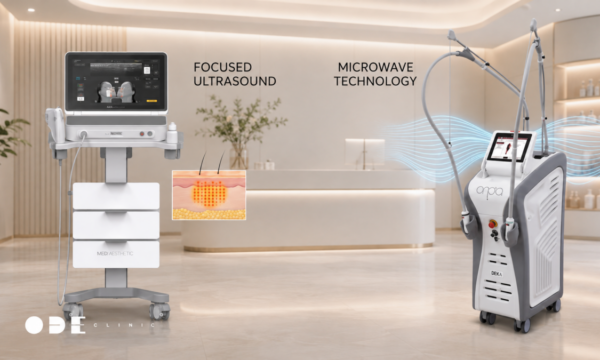
"Doctor, my jawline has gone blunt and saggy. Should I have Ultherapy, or ONDA?"I don't think a week goes by without that question.Search it and you mostly get "Ultherapy is stronger," which doesn't help much.What you actually want to know is which one fits your face.The similar pricing doesn't make it easier.In Gangnam, Ultherapy runs KRW 1,200,000–1,500,000 for 300 shots,and ONDA Lifting KRW 1,500,000–2,000,000 for three sessions of 100,000J.Both get recommended for the same areas too — jawline, double chin.But the two devices are doing very different jobs.Ultherapy contracts the SMAS layer with ultrasound.ONDA Lifting (ONDA Coolwaves) breaks down subcutaneous fat with microwaves.Different layers, different goals.Here's what several years of performing both in Gangnam has taught me.Written directly by Dr. Kim Do-hoon, Medical Director of ODE ClinicUltherapy vs ONDA Lifting: The Core DifferencesLet me put the conclusion in a table first.CategoryUltherapyONDA LiftingMechanismHigh-intensity focused ultrasound (HIFU)MicrowaveTarget layerSubcutaneous fat layer, SMAS layerConcentrated in the subcutaneous fat layerMain purposeContraction of sagging structures, liftingFat reduction, volume reductionRecommended areasJawline, double chinJawline, double chinPain (out of 10)7–8Around 3DowntimeSwelling for 1–2 weeksAlmost noneOnset of effectFrom 2 weeks up to 3 monthsGradually over 1 monthRecommended frequencyOnce every 6–12 months3 sessions at 1-month intervalsPrice300 shots, KRW 1,200,000–1,500,000100,000J × 3, KRW 1,500,000–2,000,000Read on its own, that table can make the two look interchangeable.Look closer, though, and the distinctions that actually decide the choice start to surface.I'll take them one at a time below.Ultherapy: Effects and MechanismDepth is what sets Ultherapy apart from everything else in the category.Through 3.0mm and 4.5mm cartridges, energy travels all the way down to the SMAS layer,which sits between the subcutaneous fat and the muscle.That's the same layer plastic surgeons pull upward during a facelift.The name itself is a compound — ultrasound plus therapy.In other words, a lifting device running on high-intensity focused ultrasound.Focus that energy on a single point and the temperature there climbs to roughly 60–70℃.A microscopic injury forms, known as a thermal coagulation point.Fibroblasts wake up around it, and new collagen follows.Not Lifted Up — Re-AdheredA lot of patients picture Ultherapy pulling tissue upward the way thread lifting does.The mechanism is different.What actually happens is that the sagging SMAS layer and fibrous septa contract,so tissue that had drooped re-adheres to where it originally sat.The limitations are just as real.Since the energy also passes through the subcutaneous fat layer,patients who had little cheek volume to start with can end up with hollowing.Lifted, but gaunt — that's the outcome nobody wants.Which is why deciding what to avoid, during the design stage, matters as much as deciding where to treat.ONDA Lifting: Effects and MechanismONDA goes after fat cells selectively.Microwaves are absorbed more readily by tissue holding few water molecules and plenty of lipids.So heat concentrates in the subcutaneous fat layer, the fat cell membrane takes damage, and cell death follows.The device itself runs microwaves in the 2.45GHz band.DEKA of Italy developed it, and it also goes by the name Coolwaves.One thing worth knowing: the broken-down fat doesn't vanish on the spot.It clears gradually through metabolic processes over roughly a month.That's why a photograph taken a month later shows more change than one taken right after the session.Thermal stimulation reaches the dermis at the same time, so some collagen regeneration comes along with it.Fat down, firmness up — both at once.Where ONDA Lifting Runs Out(1) Area selection isn't precise.The handpiece works in a rubbing motion, so selectively avoiding a spot like the anterior cheek— which can hollow out — is difficult.Narrow areas such as the nasolabial fold need caution too, since the surrounding region can lose volume.(2) One session usually isn't enough.Fat cell death scales with the number of sessions.Which is why three sessions at one-month intervals is the general recommendation.(3) It doesn't fix sagging itself.ONDA was never built to target the SMAS layer.The jawline gets tidied indirectly, as weight comes off.Ultherapy and ONDA Lifting: Pain and DowntimeThis is where the experience diverges most sharply.CategoryUltherapyONDA LiftingType of painDeep, sharp painA sensation of warmingPain intensity7–8 out of 10Around 3AnesthesiaTopical anesthetic, nerve blockMostly performed without anesthesiaSwellingMarked swelling for 1 week, residual swelling up to 2 weeksAlmost noneReturn to daily lifePossible same day, though swelling persistsImmediately after the procedureThe worst of the Ultherapy pain sits along the jawline, where bone lies close to the surface.Most patients still tell me afterward that it was more manageable than they'd braced for.The swelling deserves a heads-up.It starts the day after, and because the jawline puffs up, there's a stretch where the face can look more sagged than it did before treatment.Only once that settles at around two weeks does the jawline improvement show itself.ONDA carries almost none of this.Plenty of patients drop in over a lunch break and head back to work.If a wedding, an interview, or a presentation is close at hand, ONDA is the safer bet.Ultherapy and ONDA Lifting Price ComparisonGangnam pricing below.ProcedurePriceUltherapy 100 shotsApprox. KRW 400,000–500,000Ultherapy 300 shotsApprox. KRW 1,200,000–1,500,000ONDA Lifting 100,000J × 1Approx. KRW 700,000ONDA Lifting 100,000J × 3Approx. KRW 1,500,000–2,000,000Compare single sessions and Ultherapy looks like the expensive one.Factor in the treatment interval, though, and the picture shifts.A single ONDA session is unlikely to move the needle as far as Ultherapy does, so three sessions is the realistic standard.That puts you at KRW 1,500,000–2,000,000.Ultherapy, meanwhile, holds with one session every six months at the shortest, once a year at the longest.Convert it to an annual basis and the gap between the two turns out to be smaller than it first appears.Ultherapy and ONDA Lifting: Who Each One SuitsPatients for whom Ultherapy is recommended Those who need precise shot distribution (marked sagging at the front of the face, pronounced left-right asymmetry, and similar cases) Those who want a definite change and are willing to accept pain and swelling Those who would prefer to reduce the number of visits to roughly once a year Patients for whom ONDA Lifting is recommended Those with a thick fat layer Those who have postponed lifting because of pain and downtime Those with an important event within 2–4 weeks Those undergoing lifting for the first time who would like to begin with something less demanding In practice, the choice often isn't limited to one of the two.Some patients arrive with both a thick fat layer and progressed sagging.For them, the sequence I recommend is ONDA first to take the weight off, then Ultherapy to set the structure.Combining procedures with different mechanisms also tends to stretch the result out longer.Even among lifting devices aimed at the same goal, the underlying mechanisms often differ.Repeating one procedure over and over is rarely the best long-term plan.Actual Ultherapy and ONDA Lifting Before and After PhotosCASE 1. Female in her 30s (Ultherapy 300 shots)Left: January 13, 2025Right: December 29, 2025Cheek hollowing and sagging were both present here.Patients with hollowing often assume Ultherapy is bound to make things worse,but working around the hollowed areas isn't a problem.And since Ultherapy allows more precise work than ONDA,it's actually the option I'd recommend for a case like this.The same goes for pronounced left-right asymmetry.Ultherapy lets shots be distributed exactly as intended, which puts it ahead of ONDA and its rubbing motion.CASE 2. Female in her 20s (ONDA Lifting 100,000J, before and after)Left: January 13, 2025Right: June 20, 2025Ultherapy and ONDA Lifting FAQQ. Can Ultherapy and ONDA Lifting be received together?A. They can, and it's a pairing I recommend.The layers and mechanisms involved are different.Having both on the same day is fine too.Q. Cheek hollowing is a concern — which procedure carries more risk?A. It can occur with either one.That said, it's manageable: identify the hollowed areas during the design stage and work around them.Q. Why are three ONDA Lifting sessions recommended?A. There's a limit to how many fat cells any single session destroys.Change tends to read more clearly when three sessions are done at one-month intervals.Three isn't strictly required for an effect to appear, though — first-time patients can have one session and decide from there.Q. Does swelling always occur with Ultherapy?A. It varies between individuals, but it shows up in a considerable proportion of patients.Starting the following day, marked swelling can last a week, with residual swelling up to two weeks.Cold compresses can suppress the regenerative process, so I generally don't recommend them.Q. Are both procedures effective for nasolabial folds?A. The midface, nasolabial folds included, isn't where either procedure is strongest.If nasolabial folds are your main concern, XERF, EMFACE, or Alltite are worth looking at first.Q. For a first lifting procedure, which is the better starting point?A. If the pain and swelling are acceptable to you, I'd start with Ultherapy.It produces a more dramatic result in a lot of cases.And if that alone brings enough improvement, there's no need to add ONDA at all.In ClosingUltherapy and ONDA are both lifting procedures that sharpen the jawline.Today's column ran through the mechanisms, effects, pain, and price — and a number of real differences sit between them.What matters most, though, is talking it through with the physician who'll be performing the treatment and choosing what matches your own condition. Thank you for reading — Dr. Kim Do-hoon, ODE Clinic.Gangnam Dermatology Clinic, ODE Clinic8th Floor, 340 Gangnam-daero, Gangnam-gu, Seoul, Korea+82–2–569–0222ODE Column : Ultherapy vs. ONDA LiftingAuthor: Dr. Dohoon Kim, Chief Director of ODE ClinicSpecialty: Anti-aging (Lifting, Volumizing, etc.)
2026.08.25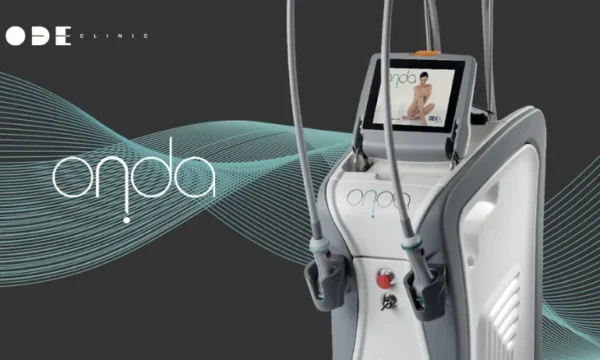
Lifting
Onda Body Contouring in Korea: Sessions, Joules, and What It Costs
Diet is dialled in, the gym is happening, and the lower abdomen and flanks still haven't moved.I hear that a lot.Onda body contouring is aimed squarely at that kind of stubborn, localized fat.It's non-invasive, and it uses 2.45 GHz microwaves to selectively heat the subcutaneous fat layer — going after localized fat, cellulite, and skin laxity in one go.Cost in the Gangnam district runs roughly KRW 500,000 to 1,200,000 per area per session, excluding VAT.That range moves with the size of the area treated, the joule count applied, and how many sessions you end up needing.ODE Clinic has been doing lifting, tightening, and body contouring since 2022.As of 2026, our returning patient count is past 6,000.Below: how Onda actually works, who it suits, how joule settings get decided, how many sessions you should plan for, and what it costs by area.What Onda Body Contouring Is(1) Microwaves, not radiofrequencyConcentrating heat in the fat layer without burning the skin surface — that's what Onda is built to do.The frequency is what makes it possible.At 2.45 GHz, the electrical conductivity of the skin surface is low enough that energy passes through the epidermis with barely any absorption.Manufacturer data puts roughly 80% of the delivered energy into the subcutaneous fat layer,with the remaining 20% staying in the epidermis and dermis. (Source: DEKA)The device itself came out of DEKA in Florence, Italy.It delivers those 2.45 GHz microwaves under the Coolwaves name.How it generates heat also separates it from conventional radiofrequency.RF passes a current through tissue and works off the resistive heat that follows.Onda uses dielectric heating instead — the energy agitates molecules within the tissue directly, and the friction produces the heat.(2) Three things happen at onceFat reductionHeated adipocytes sustain membrane damage and release their contents.The lymphatic system clears those contents over the following weeks.Cellulite improvementHeat reaches the fibrous septa anchoring the fat lobules.That's what softens the dimpled surface appearance.Skin tighteningCollagen fibres in the dermis contract immediately, and new collagen forms behind them.The point is keeping skin firm where fat volume has just come out.(3) Handpiece depth decides the targetHandpieceDepth of actionPrimary targetDeepDeep (approx. 7 mm)Localized fat (abdomen, thighs, flanks)ShallowSuperficial (approx. 3 mm)Cellulite, skin laxity, submental areaWith fibrotic cellulite, sequence matters.A 2024 international advisory board paper recommends one to two opening sessions on the Shallow handpiece before moving to Deep.Go straight to Deep where there's considerable subcutaneous fibrosis and that fibrotic tissue acts as a shield, cutting energy transfer. (Source: Bioengineering, 2024)Cellulite that far along isn't something we see often, mind you.Who Onda Body Contouring Suits Those with stubborn lower abdominal or flank fat that persists despite diet and exercise Those with laxity and loss of firmness on the inner upper arms Those concerned about dimpled, orange-peel texture on the posterior thighs Those whose skin has loosened following weight loss, leaving the contour undefined Those experiencing reduced abdominal firmness after pregnancy Those who want to maintain their routine without downtime One thing to be clear about up front.Onda body contouring is not a weight loss procedure.The target is circumference, contour, and surface texture — not the number on the scale.It doesn't act on visceral fat, and patients with a higher body mass index tend to find the results less satisfying.Timing is worth setting expectations on too.Straight after the session, most patients notice nothing beyond a sensation of tightness.Measurable circumference change generally starts showing from two to four weeks onward.Released fat content needs time to clear metabolically, and collagen needs time to remodel.The most visible result usually lands around three months after the final session.How Joule Settings Get DecidedPricing in Korea generally runs by joule count.One joule is the standard unit of energy, and 10,000 joules equals 10 kJ.(1) Surface area comes firstThe international advisory board recommendations describe dividing the treatment zoneinto subareas of roughly 15 × 15 cm and working through them in sequence.Bigger area, proportionally higher joule count. Straightforward enough.(2) Fat thickness and tissue density come secondA thicker fat layer needs more energy to reach the thermal threshold.Thin areas work the other way.Deliver the same joule count to somewhere like the upper arm and you get more discomfort without a matching gain in result.Which is why the treating physician should palpate the area beforehand.Fat thickness, dermal elasticity, how firm any cellulite banding feels — all of it needs checking by hand.(3) Recommended joules by areaAreaRecommended joules (per session)Full abdomen100,000–200,000 JFlanks (love handles)100,000 JUpper arms (both)100,000 JThighs (both)100,000–200,000 JSubmental (double chin)50,000–100,000 JPush past these ranges and the result doesn't scale with the energy.Settings within the ranges above are what we advise.Sessions and Treatment Intervals(1) Three to four sessions for body areasA single session rarely gets you to the target level of improvement.Thermal stimulation has to accumulate before adipocyte reduction and collagen remodelling happen to any meaningful degree.International clinical data and the manufacturer protocol both land on three to four sessions for body areas.Korean clinics commonly advise three or more, spaced three to four weeks apart.(2) Three to four weeks between sessionsThe interval exists because of clearance time.Contents released from damaged adipocytes need at least two to three weeks to drain through the lymphatic system.Deliver energy again before that finishes and you add tissue burden without materially improving the outcome.(3) Duration and booster sessionsAfter a three-session course, results tend to hold for roughly six months to a year.That figure swings considerably with weight management, diet, and activity level.Since the adipocyte count itself has come down, fat accumulates more slowly in the treated area.Not a free pass, though.If the remaining adipocytes enlarge, circumference can climb again.For maintenance, a single booster session at six to twelve months is the general recommendation.Onda Body Contouring Price in KoreaGangnam district pricing below. Korean won, excluding VAT.AreaPer sessionThree-session courseFull abdomenKRW 700,000–1,350,000KRW 1,800,000–3,500,000FlanksKRW 700,000KRW 1,800,000Upper arms (both)KRW 700,000KRW 1,800,000Thighs (both)KRW 700,000–1,350,000KRW 1,800,000–3,500,000Onda Body vs Other Body TreatmentsCategoryOnda bodyLipolytic injectionEMSCULPT NEOMechanismMicrowave (2.45 GHz)PharmacologicalRF + muscle stimulation (HIFEM)Fat reductionYesYesYesMuscle gainNoNoYesSkin tighteningYesNoYesCelluliteCan improveLimitedLimitedDiscomfortLowModerateLowDowntimeMinimalSwelling, bruisingMinimalSessions3–45 or more3–4I see a steady stream of patients who reduced circumference with lipolytic injections and then found the overlying skin had loosened.Take fat out with no tightening response behind it and the contour can end up looking less defined, not more.That's where Onda separates itself.Fat reduction and skin tightening arrive together.In my own view, pairing Onda body with EMSCULPT NEO is the most effective approach. Upper arms: Onda body + EMSCULPT NEO Abdomen: Onda body + EMSCULPT NEO Thighs: Onda body + EMSCULPT NEO Buttocks: EMSCULPT NEO aloneSide Effects and LimitationsOnda body contouring is regarded as relatively safe.That isn't the same as having no side effects.(1) Common reactionsTransient erythema at the treated site is the most common by far.One clinical study saw temporary redness in roughly 72 percent of subjects, resolving within hours in most cases.Some patients report a dull soreness for several days afterwards.Think delayed-onset muscle soreness after a hard session at the gym.(2) Uncommon but noteworthy side effectsWhere energy goes in excessively, or the handpiece dwells too long in one position, you can get surface burns, blistering, or localized fat depression.Which makes a consistent handpiece movement rate a matter of technique, not just settings.(3) Limitations of the evidenceOne point deserves a frank statement.The 2024 international advisory board paper itself notes that evaluation of this method's long-term efficacy and safety is still lacking.A one-year follow-up study published in 2023 was retracted in January 2026 over deficiencies in the peer review process.So the accurate way to understand Onda body contouring is this:short- and medium-term data is accumulating, but multi-year evidence isn't there yet.Frequently Asked QuestionsQ. Is one Onda body session enough to see results?A. For real improvement, three or more.That said, one session isn't nothing.Starting with a single session and deciding on more from there is perfectly reasonable.Q. Does Onda body contouring reduce body weight?A. The scale will barely move.This isn't weight loss — circumference and contour improve as adipocyte volume comes down.Onda also doesn't act on visceral fat.Q. Is more energy always better?A. No.Each area has an appropriate range, and past it the results stop scaling.Q. When can exercise or sauna use resume after treatment?A. Normal activity, same day.Vigorous exercise, hot saunas, and heavy drinking are best left alone for at least three days.Drinking plenty of water helps clear the released fat content, too.Q. Is Onda body the same device as facial Onda lifting?A. Same device, yes.The handpieces and parameters used may differ.Q. Can Onda body contouring improve severe cellulite?A. Improvement is possible.Where fibrosis is advanced, though, the sequence matters — one to two initial sessions on the shallow handpiece, then progress to the deep one.Skip that and energy delivery gets compromised.Closing RemarksWhen you're comparing Onda body contouring prices, the headline figure isn't the one that matters.What matters is how many joules go in, across what area.Same region, same price, and actual energy delivery can still differ by a factor of two.Worth repeating as well: this isn't a weight loss procedure.Satisfaction runs highest among patients who come to it for the residual localized fat and loosened skin left over after diet and exercise have done their part.Rather than deciding on your own, consult a treating physicianwho assesses fat thickness and skin quality directly and designs the joule plan around what they find.Thank you for reading — Dr. Kim Do-hoon, ODE Clinic.Gangnam Dermatology Clinic, ODE Clinic8th Floor, 340 Gangnam-daero, Gangnam-gu, Seoul, Korea+82–2–569–0222ODE Column : ONDA Body ContouringAuthor: Dr. Dohoon Kim, Chief Director of ODE ClinicSpecialty: Anti-aging (Lifting, Volumizing, etc.)
2026.08.25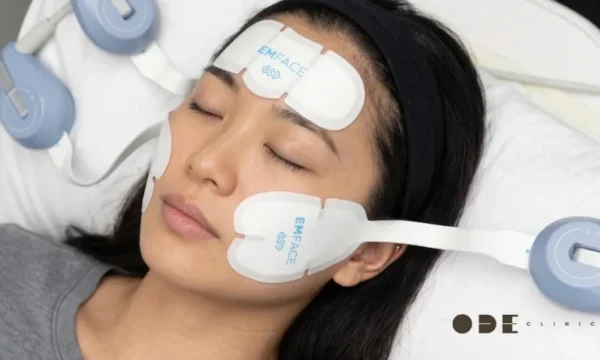
Lifting
EMFACE Lifting in Seoul: Do the Results and Duration Justify the Price?
Four EMFACE sessions in Gangnam: roughly KRW 2,000,000 to 3,000,000.That's about what a single Ultherapy or Thermage session runs.So the question comes up a lot — is the lifting actually substantial enough to warrant that?I suspect the format feeds the doubt.Nobody stands over you delivering energy by hand. The applicators go on and the treatment runs itself.The effect is there, though, and it's been demonstrated in objective measurements.Today I want to open up a 2025 study in Asian patients and go through it properly.How much lifting actually happens, how long it holds, where EMFACE and Ultherapy part ways, and how it fits alongside other midface work.※ For general information about the treatment, please refer to the column EMFACE lifting results, price and treatment duration.How EMFACE Lifting WorksTwo types of energy, delivered at the same time.(1) HIFES (High Intensity Facial Electrical Stimulation)The slackened muscle itself — that's what EMFACE goes after.Devices like Ultherapy and Thermage contract the skin, the retaining ligaments, and the fascial layer. EMFACE drops a layer below all of that.Facial muscle tone declines with age, and lower tone means the muscle sits slack even at rest.But not every facial muscle does the same job.Some pull tissue upward. Others drag it down.EMFACE strengthens only the elevators.The study spells this out too.The device induces contractions in the frontalis, the zygomaticus major and minor, and the risorius— at an intensity you simply cannot produce voluntarily.Applicator positions are laid out to steer clear of depressor muscles like the glabellar muscles and the masseter, which can make wrinkles worse.Hence the nickname, "midface lifting."As the zygomaticus major and minor grow stronger, the midface reads as visually shorter.(2) RF (Radiofrequency)Electromagnetic stimulation isn't all that comes out of the device. Radiofrequency does too.EMFACE runs its RF at 3.2 MHz.That's lower than the 6.78 MHz used by Thermage or Density.Lower frequency, deeper heat.Which is why the aim here is lifting at the level of the retaining ligaments and fascia rather than dermal tightening.The study reports dermal temperature hitting 40°C within the first two minutes.From there it's maintained up to 42.5°C.That heat denatures collagen fibers and stimulates fibroblasts, which leads to new collagen and elastin formation.Human histologic studies have confirmed a 30% increase in collagen and a 102.8% increase in elastin three months out.Source: Goldberg DJ, Lal K. Treatment With Synchronized Radiofrequency and Facial Muscle Stimulation: Histologic Analysis of Human Skin for Changes in Collagen and Elastin Fibers. Journal of Cosmetic Dermatology. 2024;23:1620-1628.EMFACE Results: The Actual FiguresThe study in question came out of Siriraj Hospital, Faculty of Medicine, Mahidol University in Thailand.Source: Manuskiatti W, et al. The Efficacy and Safety of Synchronized Radiofrequency and High Intensity Facial Electrical Stimulation in Improving Facial Skin Laxity and Quality in Asians. Lasers in Surgery and Medicine. 2025;57:177-186. https://doi.org/10.1002/lsm.23878There's a reason I reach for this one specifically.Every participant was Asian, and the results were tracked with 3D measurement equipment for six months after treatment.Fifteen participants, aged 40 to 65, with mild to moderate laxity.Four weekly sessions on the forehead and both cheeks, twenty minutes each, at 100% power.At ODE Clinic, most treatments run at 100% power as well.(1) Cheek liftingFrom 1.240 mm before treatment to 1.373 mm one month after the fourth session.(2) Forehead and eyebrow liftingForehead lifting climbed from 1.447 mm to 2.140 mm.The biggest mover was the eyebrow.Baseline of 21.56 mm rose to 22.95 mm at three months — an average elevation of 1.39 mm.(3) Skin firmness and textureSkin firmness (R0) had already improved 45.68% before the third session.By six months it reached 81.24%.Here's the interesting part: firmness kept climbing even while the lifting measurements were on their way down.Crow's feet improved 12.39% at three months and 10.70% at six.Forehead pore volume dropped 66.26% at six months.Contrary to a fairly common assumption, then,the lifting effect of EMFACE has been verified in objective measurements.And there are plenty of clinical studies beyond this one.The patient self-assessment is worth a look as well.At six months, 40% of participants rated their facial contour as more than 50% improved.Another 27% put it above 75%.Not one participant reported no visible improvement at all.EMFACE Duration: What the Six-Month Data ShowsThe most candid part of this study is the durability question.Earlier papers described results holding for roughly a year after four to six sessions.These findings tell a somewhat different story.Forehead lifting peaked at 2.140 mm one month after the fourth session.At six months: 0.673 mm.About one third of the peak.Cheek lifting followed the same curve, falling from 1.373 mm to 0.580 mm.So the measured lifting effect drops to roughly a third of its high point across six months.The eyebrow held onto 1.31 mm of elevation at the same time point, though.And skin firmness kept rising right through.Why would one part fade while another holds?Because the two energies behave differently.Muscle tone drifts back toward baseline once the stimulation stops.Collagen built by radiofrequency sticks around far longer.The study makes the point outright.Facial muscles are skeletal muscles like any other — they need consistent workload to hold tone, and they atrophy without it.Which puts EMFACE closer to periodic maintenance than a one-and-done procedure.Measured results peak somewhere between one and three months after the fourth session.If there's an important date on your calendar, work backward from that window.How EMFACE Differs From UltherapyThe most frequently asked question, by some margin.Both have "lifting" in the description. The layers they act on have almost nothing in common.Ultherapy uses high-intensity focused ultrasound (HIFU) to create thermal coagulation points at 3.0 mm or 4.5 mm.Heat concentrates at a single point above 60°C, and the tissue contracts hard.The primary target is the fascial (SMAS) layer.EMFACE goes deeper still, to the muscle layer.It isn't contracting tissue — it's restoring tone to slackened muscle so the upward pulling force comes back.CategoryUltherapyEMFACEEnergyFocused ultrasound (HIFU)Electromagnetic stimulation + RF (3.2 MHz)Target layerFascia (SMAS), subcutaneous fatMuscle layer, fascial layerMechanismTissue contraction via thermal coagulation pointsRestored muscle tone + collagen regenerationStrongest areaJawline, double chinEyebrows, midface, nasolabial foldsPainPresent (anesthesia recommended)MinimalDowntimeSwelling for 1–2 weeksMinimalNumber of sessions14–6 sessions, 7–10 days apartOnset of resultsClear at 2–3 months1–3 months after the fourth sessionCollapsed jawline and a double chin? Ultherapy is closer to the right answer.Heavy-feeling eye area with midface descent deepening the nasolabial folds? EMFACE.Each has its blind spots, too.Ultherapy does little for the nasolabial region, where there's no fascia to work with, or for the jowls, where nerves run.EMFACE lacks the power to lift heavy tissue below the jawline.So they aren't competitors. They cover for each other.I see plenty of patients arrive for EMFACE after Ultherapy, once the midface still feels unresolved.EMFACE PriceAround KRW 2,000,000 to 3,000,000 for four sessions in Gangnam.Prices vary by clinic and promotion.Comparable to 600 shots of Ultherapy or 600 shots of Thermage.The cost comes mostly from consumables.The device is expensive to begin with, and new forehead and cheek applicators go on for every single session.Those are genuine consumables, and they eat a substantial share of the per-session cost.Which is why an unusually low price deserves a question — starting with whether the equipment is genuine.Who EMFACE Suits, and What to Combine It With(1) Recommended candidates People whose upper eyelids have descended, making the double eyelid line look heavy People who want to address nasolabial folds and midface lifting together People who have had Ultherapy or Thermage and want additional improvement People who want a treatment with minimal pain and downtime People preparing for a wedding or similar event who want natural facial expression And the cases where I'd generally point elsewhere: People who prefer a single-session treatment and cannot visit repeatedly People whose goal is the jawline and V-line rather than the eyebrows or midface People with implanted electrical devices such as pacemakers (2) Midface Descent Requires Looking at Three Things TogetherMidface descent never comes from one cause.Volume loss and tissue descent happen side by side.The anterior cheek and tear trough hollow out as volume goes.The tissue below them slides downward and forms the nasolabial folds.So the approach has to be threefold. Fill what's hollow, draw the descended tissue back against the underlying structure, pull the slackened muscle upward.Each procedure covers a different piece of that. Anterior cheek filler: fills the hollowed anterior cheek and tear trough, restoring structural support to the midface. XERF: contracts the fibrous septae using dual 6.78 MHz and 2 MHz frequencies, tightening the nasolabial folds and jowls. EMFACE: restores tone to the zygomatic muscles so that midface tissue is drawn upward. ODE Clinic has extensive experience with all three.Before and After Midface Sagging and Volume Loss Treatment: Emface, Filler, XerfEMFACE Side Effects and PainPain is barely a factor here.In the study, mean pain scores fell from 3.5 at the first session to 1.6 at the fourth, on a ten-point scale.The treatment got more comfortable as sessions went on, in other words.No serious adverse events were reported.Saying there are no side effects at all wouldn't be accurate, though.The most common issue in practice is poor applicator adhesion.If part of an applicator lifts away mid-treatment, radiofrequency energy concentrates on one side.That's where a mild burn or blister comes from.Most of it is preventable.Remove cosmetics and oil from the skin thoroughly beforehand, and check applicator contact during the session.Beyond that, temporary redness is the main finding.There's virtually no downtime that interferes with daily life.Frequently Asked Questions About EMFACEQ. How is this different from doing facial exercises?A. The intensity of contraction, fundamentally.HIFES induces contractions you cannot produce voluntarily, with collagen regeneration from radiofrequency happening alongside.On top of that, tensing your face recruits muscles you didn't want — the glabella, for instance.That's the ceiling on voluntary facial exercise.Q. When are EMFACE results at their best?A. One to three months after the fourth session.In the study, forehead and cheek both hit their highest values one month after the final treatment.Got an important date coming? Count backward from there.Q. Should Ultherapy or EMFACE come first?A. Pronounced laxity with the jawline as the goal — Ultherapy first.Eyebrows and midface as the main concern, or Ultherapy already done — EMFACE may serve you better.They target different layers, so plenty of patients simply do both.Q. Will EMFACE alone fill hollow cheeks?A. No.The volume measurements in the study showed no significant change in the anterior cheek or tear trough.Where volume loss is the main concern, anterior cheek filler or Hilowave belongs in the plan.Q. Can XERF and EMFACE be done together?A. Frequently combined, yes.XERF draws descended tissue back against the underlying structure while EMFACE pulls the muscle upward.For midface improvement, the two dovetail nicely.Q. How often should treatment be repeated?A. Generally 9 to 12 months after a course of four sessions.Muscle tone drifts back to baseline once stimulation stops.Treating EMFACE as periodic maintenance makes more sense than treating it as a one-off.Q. Can it be combined with fillers or botulinum toxin?A. It often is.Sequence and intervals do need adjusting by area, though.Botulinum toxin relaxes muscle, which can work against the purpose of EMFACE in certain regions.Plan it directly with the physician doing the treatment.ClosingEMFACE is a device with clearly verified results.Whether it feels worth the price comes down to what you're expecting from it.Want a change in the impression of your eye area and midface? Satisfaction tends to run high.Want a dramatic jawline correction out of a single session? Ultherapy or something else fits better.And midface descent is rarely settled by one device on its own.It calls for a combination: filling what's hollow, tightening what has descended, lifting what has slackened.Rather than deciding on your own, sit down with an experienced physician and work it out together. Thank you for reading — Dr. Kim Do-hoon, Medical Director of ODE Clinic.Gangnam Dermatology Clinic, ODE Clinic8th Floor, 340 Gangnam-daero, Gangnam-gu, Seoul, Korea+82–2–569–0222ODE Column : EmfaceAuthor: Dr. Dohoon Kim, Chief Director of ODE ClinicSpecialty: Anti-aging (Lifting, Volumizing, etc.)
2026.08.25
Lifting
How to Choose a Density RF Clinic in Seoul: 2026 TOP 10 Clinic Selection
ODE Clinic was selected as a TOP 10 clinic by Density treatment volume for the first half of 2026.Density is a 6.78MHz monopolar radiofrequency treatment that induces collagen remodelling in the dermis to improve skin firmness.Most people open the price list first when they're picking a clinic.Two other things deserve a look before that one.Whether the treating physician handles the consultation personally,and how much cumulative treatment experience the clinic actually holds.ODE Clinic is an anti-aging clinic in Gangnam, Seoul, built around lifting, tightening and volume procedures.Thermage, Density, XERF — we run all three monopolar radiofrequency systems side by side.Which means nobody gets steered toward one device by default.The treating physician reviews all three during consultation and recommends whichever fits.What follows are the criteria I've built up from my own case volume.What Density actually does, and what to verify before you book anywhere.Written personally by Dr. Kim Do-hoon, Representative Director, ODE Clinic. Updated: August 29, 2026What the TOP 10 Density Recognition Actually MeansTreatment volume on its own guarantees nothing.Worth saying that up front.With radiofrequency devices, though, volume carries more than a plain number does.A high case count means the physician has personally worked through a wide range of skin conditions.Energy level adjustment and shot distribution by facial zone especially.Neither reduces neatly to a manual.Two patients can both receive 600 shots and walk out with different outcomes,depending on which areas got how many shots and at what energy level.Volume isn't the same as satisfaction, mind you.Larger clinics with many physicians accumulate higher totals as a matter of course,but the person consulting and the person treating aren't always the same.So treatment volume only tells you something when you read it alongsidewhether one treating physician accumulated that experience directly.What Density Does, and HowDon't come to Density expecting a lift.This is a tightening treatment.The distinction is worth spelling out.Lifting means procedures like Ultherapy, which deliver energy to the SMAS layer and physically elevate sagging contours.Tightening delivers heat to the dermis instead, contracting loosened collagen and stimulating new collagen synthesis.Density doesn't raise sagging tissue. It makes skin firmer and smoother.The two serve different purposes and don't substitute for each other,which is exactly why so many patients have Ultherapy and radiofrequency treatments together.The patients who end up least satisfied are usually the ones who missed this distinction.Some switch from Ultherapy to a radiofrequency treatment like Density out of concern about facial volume loss.But Density won't lift sagging tissue directly.Skin texture and firmness improve; the sagging stays.If sagging is your main concern, the outcome is likely to disappoint.What Makes the Density Alpha Tip Different(1) Sequential monopolar and bipolar deliveryThermage and the Density classic tip emit monopolar radiofrequency only.The alpha tip adds something on top of that.Monopolar and bipolar radiofrequency, delivered in sequence.Bipolar distributes energy evenly across relatively superficial layers.That gives you more complete heat delivery, from the lower dermis right through to the upper.Since the superficial layers get treated alongside the deeper ones, visible change tends to be more distinct than with the classic tip.On skin analyser imaging, the degree of fine-line improvement has measurably improved compared with the classic tip.(2) What the literature shows about sequenceAn animal study has compared different sequences of radiofrequency delivery.Related study: Oh S, et al. Combined Treatment of Monopolar and Bipolar Radiofrequency Increases Skin Elasticity by Decreasing the Accumulation of Advanced Glycated End Products in Aged Animal Skin. Int J Mol Sci. 2022;23(6):2993. https://pubmed.ncbi.nlm.nih.gov/35328415/Collagen and elastin synthesis came out highest when monopolar delivery was followed by bipolar.Monopolar lowers tissue impedance first, and bipolar energy transfers more efficiently after that.Related study: Kumar N, Baek SY. Epidermal and Dermal Regeneration Through Sequential Monopolar and Bipolar Radiofrequency: Evidence From an Aging Mouse Model. Aesthet Surg J Open Forum. 2025;7:ojaf111. https://doi.org/10.1093/asjof/ojaf111This one was conducted on the Density device itself.Collagen density increased more with the combined monopolar and bipolar protocol than with monopolar alone.One caveat, and it's a meaningful one: both are animal studies.Stating that the same magnitude of difference reproduces on human facial skin isn't something the evidence supports yet.(3) Treatment time and discomfortDensity is a high-output device, so discomfort comes with it, much as it does with Thermage.The session moves faster, though.Thermage FLX runs roughly 35 to 40 minutes for 600 shots.The Density alpha tip covers the same count in about 25.Overall discomfort ends up lower as a result.For a closer look at pricing and tip-by-tip differences, see the column onDensity alpha tip results, cost and how it differs from Thermage.What to Check Before Choosing a Density Clinic(1) Whether the treating physician consults directlyA consultation with a coordinator and a consultation with the physician who'll be holding the handpiece are two different things.Skin thickness, fat volume, degree of sagging — all of it has to be assessed in person before anyone can say whether Density is the right call.Plenty of patients arrive having already settled on Density, change course after the consultation, and end up happy with the alternative.Getting the treating physician involved from the selection stage is worth prioritising.(2) Cumulative experience and tip consumptionThe same device produces different results in different hands.Some clinics set the energy level once and run the whole session there.Others adjust continuously according to skin thickness and treatment zone.Tip consumption is a reasonably objective proxy for that experience.Asking about cumulative treatment volume or tip usage during consultation is a fair thing to do.(3) Whether post-treatment change is documented objectivelyRadiofrequency tightening develops gradually.Which makes assessing it by eye alone difficult.Confirm that the clinic records skin analyser images before and after, and actually reviews them with you.(4) Whether other devices are discussed in comparisonA clinic that only operates Density has little choice but to arrive at Density.A clinic running both lifting and tightening devices can do something different.It can clarify whether you need tightening or lifting at this stage, before anything else.If you're weighing device options, the 2026 lifting treatment comparison — Ultherapy, XERF, EMFACE, ONDA and Alltite — may be useful.How ODE Clinic Approaches DensityAt ODE Clinic, the treating physician runs the consultation one-on-one.Whether Density is appropriate, how many shots are needed,whether a lifting treatment should be combined — all of it gets worked out together with the patient.After treatment, come back whenever you like. he treating physician reviews the change directly on skin analyser imaging.Individual results may vary.And Density doesn't get recommended to everyone.Where sagging is the primary concern, a lifting treatment may take priority over radiofrequency tightening.Where volume loss is present too, sequencing the treatments differently is often the better route.Patients new to aesthetic dermatology, unsure how to decide, get supported through that decision as well.Density Frequently Asked QuestionsQ. How many Density shots are needed?A. 600 shots or more.Thermal energy has to accumulate to a certain level before results appear.For patients in their 50s and above, or where sagging is present, 900 shots or more may be advised.Q. Which is better, Density or Thermage?A. Depends on the goal.Want the original device with the longest-established body of evidence? Thermage FLX.Prioritising cost efficiency? The Density alpha tip.Density is also what I'd suggest first for anyone sensitive to discomfort.Q. Is Density painful?A. There's a degree of discomfort.On a scale of one to ten, roughly six to seven.Treatment time is short and the cooling system runs throughout, so it lands lower than Thermage overall.For patients concerned about pain, topical anaesthetic goes on for up to one hour and thirty minutes.Q. When do Density results appear?A. Collagen contraction gives an immediate change you'll feel right after treatment.Change from collagen remodelling appears from two to three months onward, and tends to be most distinct around six months.Come back at around three months and comparative skin analyser images usually show the textural change clearly.Q. How often should Density be repeated?A. Once a year, generally.Patients who prefer a more intensive maintenance schedule sometimes repeat at six-month intervals.Q. Does Density have side effects?A. Temporary redness, swelling and a sensation of heat can occur.Burns or blistering happen rarely.That's precisely why adjusting the energy level throughout the session matters.Q. In Gangnam, is it enough to compare Density clinics on price alone?A. Price is a legitimate criterion.But the same shot count produces different outcomes depending on energy level and distribution.Check whether the treating physician consults directly, and how much cumulative experience the clinic holds, alongside whatever price comparison you're doing.Closing ThoughtsDensity has been performed for enough patients at ODE Clinic to put us among the TOP 10.It suits patients who want to slow the pace of aging naturally,and patients in their 50s and above whose skin firmness has already declined considerably.No device resolves every concern, though.Rather than deciding on your own, talk the options through with an experienced treating physician first.Thank you for reading — Dr. Kim Do-hoon, ODE Clinic.Gangnam Dermatology Clinic, ODE Clinic8th Floor, 340 Gangnam-daero, Gangnam-gu, Seoul, Korea+82–2–569–0222ODE Column : DensityAuthor: Dr. Dohoon Kim, Chief Director of ODE ClinicSpecialty: Anti-aging (Lifting, Volumizing, etc.)
2026.09.01All Posts
By Area
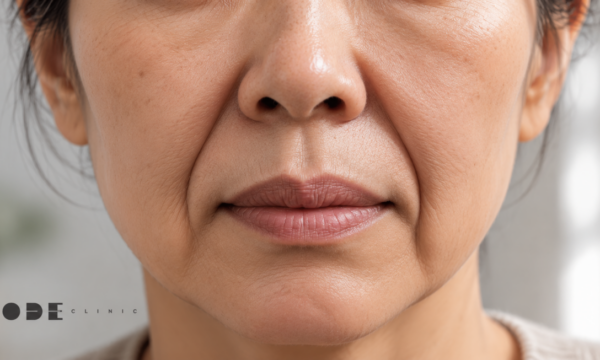
Nasolabial Fold Treatment Case Study|Radiesse and CellREDM Before & After
A Multi-Layered Approach to Improving Nasolabial FoldsNasolabial folds, often called smile lines, require different treatment approaches depending on the underlying cause.In many cases, treatment is not limited to just one procedure.We may need to combine treatments that lift the sagging midface,restore volume in the sunken area beside the nose, and soften the fine lines that have formed on the skin surface.The treatment options can be categorized as follows.Nasolabial Fold Treatment Options1. Lifting the Sagging MidfaceXERF2MHz radiofrequency, RFCoolsoniqHIFU ultrasoundFat-dissolving injectionsEMFACEFacial muscle-targeting lifting2. Restoring Volume Beside the NoseCaHA collagen stimulatorsRadiesse, etc.PLA collagen stimulatorsJuvelook, Sculptra, etc.Hyaluronic acid, HA fillersJuvederm, Restylane, etc.3. Improving Skin Wrinkles and TextureSkin boostersRe2O, CellREDM, Juvelook, etc.Hyaluronic acid, HA fillersJuvederm, Restylane, etc.EBD, energy-based devicesThermage, Sofwave, Potenza, etc.Today, I will review a case where we combined Radiesse to restore volume in the hollow areaand CellREDM skin booster to soften the visible wrinkle line.Pre-Treatment EvaluationThe patient was a woman in her 50s with a typical nasolabial fold pattern.There was visible contouring caused by both sagging and volume loss.In addition, the skin elasticity had decreased in the repeatedly folded area, creating a deeper wrinkle line.Although there were several possible treatment options, we chose a combination of Radiesse and CellREDM for this case.Radiesse|CaHA Collagen StimulatorRadiesse, developed by Merz in Germany, is a collagen stimulator based on CaHA, calcium hydroxylapatite.In the early stage, a carrier gel called CMC gel provides volume.Over time, the body’s own collagen gradually fills the sunken space.Advantages of RadiesseLower risk of vascular occlusion compared with hyaluronic acid fillersMinimal risk of migration or upward displacementOnce collagen is formed, the result can last for a long timeCan improve not only volume but also fine wrinkles and skin qualityLimitations of RadiesseThe degree of collagen formation is not perfectly predictableMultiple sessions may be neededNodules can occur if collagen overproliferatesRadiesse Q&AQ. How is Radiesse different from Juvelook Volume or Sculptra?First, Radiesse is associated with relatively lower detection of inflammatory cytokines during collagen formation.This suggests that Radiesse induces collagen synthesis through a more physical mechanismrather than by strongly triggering an inflammatory response.For that reason, it may have a relatively lower risk of nodules related to delayed immune reactions.The more practical clinical difference is the initial volume effect.Because Radiesse is suspended in a CMC gel carrier,the early volume effect tends to last longer compared with Juvelook Volume or Sculptra.This initial volume effect usually lasts around 3 to 4 months.Since Radiesse is more expensive per volume, I personally recommend it more for localized areassuch as the nasolabial folds or around the mouth, rather than for broad cheek hollowing.Q. How many sessions are needed?Like all collagen stimulators, Radiesse has some degree of unpredictability.In other words, we cannot know exactly how much collagen will form after treatment.If the hollowing is mild and collagen synthesis occurs well, 1 to 2 sessions may be enough to see a good result.However, some cases may require 3 or more sessions.This should be decided while monitoring progress with an experienced physician.Q. What are the possible side effects?Radiesse can form nodules if the product clumps or if collagen overproliferates.These nodules may feel like small particles under the skin or appear slightly raised on the surface.To reduce this risk, it is important to follow proper post-treatment guidance and receive the procedure with refined injection techniques.Q. How long do the results last?Once collagen is formed, it generally lasts for more than 2 years.CellREDM|hADM, Human Acellular Dermal MatrixCellREDM is an hADM-based skin booster, similar to Re2O.Because it contains structural components of the dermis, such as collagen and elastin, it helps improve dermal density after treatment.As the dermal layer becomes denser, wrinkles and skin elasticity can improve.Advantages of CellREDMResults can last for a relatively long timeIt can be applied intensively to specific areasFor example, directly along the nasolabial wrinkle lineLimitations of CellREDMSince it is an injection treatment, pain can occurDowntime such as needle marks or bruising may occurMultiple sessions may be neededCellREDM Q&AQ. What is the difference between CellREDM injection methods, such as cannula and manual injection?In most cases, I recommend manual injection.Manual injection allows the doctor to control the depth more precisely and treat detailed areas such as the nasolabial fold line more accurately.However, it tends to involve more pain and downtime, especially bruising.For patients who are concerned about pain or downtime,a cannula can be used to inject the product into the upper subcutaneous layer and allow it to diffuse toward the dermis.However, this method is less precise than manual injection and may result in some product loss.Because each method has its own advantages and limitations, I recommend deciding after consultation with your doctor.Q. How is CellREDM different from Re2O?Re2O was released earlier as an hADM skin booster.CellREDM was released later, and it contains a slightly higher amount of active ingredients.However, in actual clinical practice, patient feedback and satisfaction do not show a major difference between the two products.Q. How many sessions are needed?In general, I recommend 3 sessions at one-month intervals.However, depending on the patient’s schedule or budget, a single session can also be performed.It is not absolutely necessary to complete all 3 sessions in order to see improvement.Q. When do results become visible?Results usually begin to appear about 1 month after CellREDM treatment.I recommend taking skin diagnostic images before and after treatment for a more objective comparison.Before and After Comparison|Radiesse + CellREDMLet’s first look at the frontal view.[Top: Before treatment, February 5, 2026 / Bottom: After treatment, July 10, 2026]- Radiesse: 1 session, March 2026- CellREDM: 3 sessions, February to April 2026As the nasolabial area gained volume, the overall contour became softer and smoother.In addition, the skin around the mouth, including the nasolabial folds,became firmer and smoother, showing improvement in the visible wrinkle lines.Let’s also take a look at the side profile.Nasolabial Fold Treatment at ODE ClinicAt ODE Clinic, we do not recommend the same standardized program to every patient.In fact, we do not usually create fixed nasolabial fold packages for everyone.This is because even when the concern appears to be the same nasolabial fold,the ideal combination can differ depending on the cause, type, age, and expectation of each patient.For a more detailed treatment plan, ODE Clinic performs skin diagnostic imaging for every patientand provides a direct 1:1 consultation with the treating doctor.It is important to determine whether the nasolabial fold is mainly caused by sagging, hollowing, or a surface wrinkle line.If you are interested in nasolabial fold treatments such as Radiesse and CellREDM after reading today’s post,please feel free to contact us.I will personally provide an honest and detailed consultation.This has been Dr. Dohoon Kim from ODE Clinic.Gangnam Dermatology Clinic, ODE Clinic8th Floor, 340 Gangnam-daero, Gangnam-gu, Seoul, Korea+82–2–569–0222ODE Column : Nasolabial Fold TreatmentAuthor: Dr. Dohoon Kim, Chief Director of ODE ClinicSpecialty: Anti-aging (Lifting, Volumizing, etc.)
2026.07.28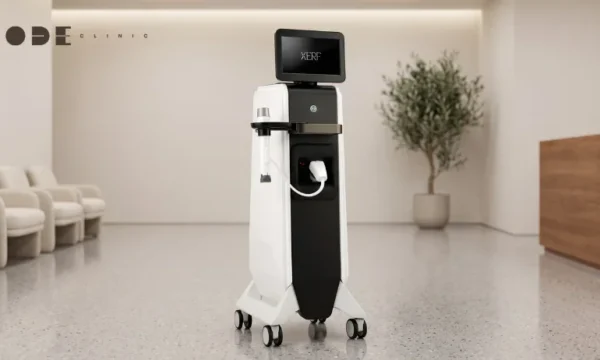
Lifting
ODE Clinic Gangnam Recognized as a Top 10 National Clinic for XERF|Officially Certified by Cynosure Lutronic
ODE Clinic, located in Gangnam, has been selected as one of South Korea’s Top 10 medical institutions for XERF treatment performance.XERF is an advanced monopolar radiofrequency, RF, lifting device used for non-surgical facial lifting and skin tightening.This recognition was announced after Cynosure Lutronic, the global manufacturer of XERF,conducted a comprehensive analysis of cumulative treatment data from clinics across the country.Representatives from Cynosure Lutronic personally visited ODE Clinic to present the official certification plaque, recognizing the clinic’s experience and treatment performance with XERF.ODE DEEP Mode XERFDual-Frequency Technology: From the Dermis to the Deep SMAS LayerXERF is an RF lifting device that uses dual frequencies of 6.78MHz and 2MHz.Conventional RF devices mainly deliver thermal energy to the dermal layer,focusing on skin tightening and surface-level elasticity improvement.XERF, however, combines an additional 2MHz frequency,allowing energy delivery to extend deeper into the subcutaneous fat layer and the SMAS,superficial musculoaponeurotic system.This dual-frequency technology is one of the key features that differentiates XERF from traditional RF devices.Because of this mechanism, XERF can help improve surface-level skin elasticitywhile also supporting deeper lifting effects in the structural layers of the face.In other words, XERF is not simply a tightening treatment.It can also be considered as a lifting option for patients who need improvement in facial sagging and contour changes.Customized Treatment Protocols and Patient-Centered CareSince introducing the XERF system, ODE Clinic has focused on establishing standardized yet highly customized treatment protocols.XERF requires delicate adjustment of energy penetration depth depending on the treatment area, skin condition, and facial structure.For this reason, the practitioner’s understanding of the device, clinical experience,and ability to customize the treatment can significantly influence the final outcome.At ODE Clinic, each patient undergoes a detailed pre-treatment assessment.We carefully analyze the patient’s skin thickness, degree of sagging,and facial structure before designing a treatment plan tailored to their individual needs.XERF is also equipped with an ICD cooling system, which helps reduce thermal irritation during the procedure.This cooling system can lower pain and discomfort during treatment,while allowing patients to return to their daily routine with minimal downtime.The Meaning Behind the XERF Top 10 RecognitionAn industry representative commented:“Because XERF uses differentiated dual-frequency technology,it is important to choose a medical institution with a deep understanding of the device and extensive clinical data.Being selected as a Top 10 provider reflects more than just a high number of procedures.It is a comprehensive recognition of the clinic’s stable treatment system, clinical experience, and procedural reliability.”ODE Clinic has not simply used XERF as a fixed-protocol device.Instead, we have continuously refined our treatment protocols based on each patient’s facial structure,skin condition, and lifting concerns.This official certification reflects the clinical experience and systemized approach that ODE Clinic has built over time.Comment from Dr. Dohoon Kim, Representative Director of ODE ClinicDr. Dohoon Kim, Representative Director of ODE Clinic, shared the following statement regarding this recognition:“This achievement is the result of our continuous efforts to build clinical expertise and refine our XERF treatment protocols.We will continue to design treatment plans that reflect each patient’s unique skin characteristics and facial structure,while doing our best to provide a safer and more patient-centered medical environment.”Closing ThoughtsXERF is an RF lifting device that uses dual-frequency technology to support both skin tightening and deeper structural lifting.However, because energy depth and treatment-area design are important,choosing a clinic should not be based only on whether the device is available.It is also important to consider the medical team’s experience, consultation process, and customized treatment protocol.With this official Top 10 XERF clinic recognition,ODE Clinic will continue to provide more precise and personalized XERF treatments based on each patient’s skin condition and lifting concerns.Thank you.Gangnam Dermatology Clinic, ODE Clinic8th Floor, 340 Gangnam-daero, Gangnam-gu, Seoul, Korea+82–2–569–0222ODE Column : XERF TOP10Author: Dr. Dohoon Kim, Chief Director of ODE ClinicSpecialty: Anti-aging (Lifting, Volumizing, etc.)
2026.07.21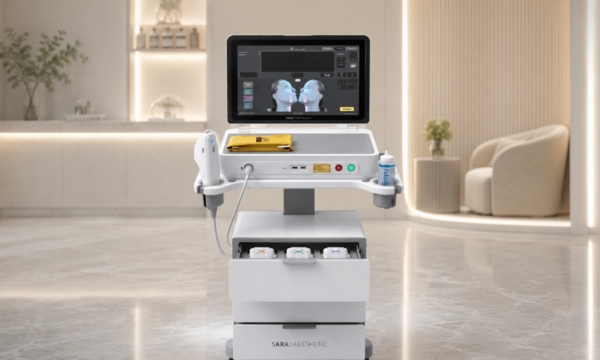
Lifting
Ultherapy Prime Review|Cost, Pain, Swelling, and Results
Ultherapy Prime is a non-surgical lifting treatment that uses High-Intensity Focused Ultrasound, HIFU,to create micro-thermal coagulation points in the deeper layers of the skin.These thermal points cause the targeted tissues to contract, resulting in a lifting effect.Although Ultherapy Prime can involve some pain and swelling,it remains one of the most popular lifting treatments because it offers relatively strong results for its cost.Some patients hesitate to receive Ultherapy because they worry that the energy may be too strong,causing side effects such as cheek hollowing, severe pain, or damage to the skin.For this reason, many patients consider RF-based treatments such as Thermage, Density, or XERF instead.However, Ultherapy Prime has a clear role that is difficult to replace with other devices.In particular, it can be a very effective option for lifting the jawline and improving a double chin.Today, I will share my clinical perspective on the cost, effects, pain, and swelling of Ultherapy Prime,as well as the common misunderstandings patients often have about this treatment.ODE Ultherapy PrimeUltherapy Prime Results and Ideal CandidatesUltherapy Prime works by focusing ultrasound energy into a single point, generating a high temperature in a very precise area.When this energy is delivered to the SMAS layer, the SMAS contracts.When it is delivered to the fat layer, the fat layer also contracts.As a result, heavy or sagging areas can become tighter and more lifted.Ultherapy Prime is especially effective for improving nasolabial folds, jowls, a blurred jawline, and a double chin.[Before and After Ultherapy Prime Treatment]Because HIFU energy is concentrated into one precise point rather than spreading broadly through the tissue,the local temperature can rise above 60°C almost instantly.This is significantly higher than many other lifting devices.Because of this, Ultherapy Prime can produce dramatic results,but patients should also be aware that pain, swelling, and possible side effects may occur.I will explain these points in more detail below.Considering these characteristics, Ultherapy Prime is generally recommended for the following patients.Patients who want a direct lifting effect rather than general skin elasticity improvementPatients who want a more dramatic result, even if the procedure is somewhat painfulPatients who can tolerate swelling that may last for about 1 to 2 weeksQ. Doctor, I don’t have much facial fat. Should I choose Thermage instead of Ultherapy?This is a question I hear very often in the consultation room.However, having a thin face does not automatically mean that Ultherapy is unsuitable.Even if you do not have much facial fat, Ultherapy can still be effective if sagging is present.The key is to avoid areas that are prone to hollowing.If we carefully design the treatment area before the procedure and avoid volume-deficient zones,we can target only the sagging areas without making the face appear more hollow.Of course, Ultherapy alone is not always the complete answer.If hollowing or volume loss is already present, combining Ultherapy with a volume-restoring treatmentsuch as filler or a biostimulator may be the better approach.Another important point is that Thermage and Ultherapy have different purposes.Thermage delivers energy mainly to the dermal layer to improve wrinkles and skin elasticity.In other words, it can help with skin texture and tightening,but its ability to lift sagging contours or redefine the facial outline is limited.This is why some patients say, “I got Thermage, but I didn’t see any lifting effect.”In many of those cases, the issue was not that Thermage failed,but that the patient expected a lifting result from a tightening treatment.Ultherapy Prime CostIn Seoul, the average cost of Ultherapy Prime is generally as follows.TreatmentAverage PriceUltherapy Prime 100 shotsApprox. 400,000–500,000 KRWUltherapy Prime 300 shotsApprox. 1,200,000–1,500,000 KRWMany patients feel that Ultherapy is expensive.However, I personally see it a little differently.The cost of one session may feel high, but when we look at the result relative to the cost,Ultherapy is actually quite cost-effective compared with many other lifting treatments.For example:Ultherapy Prime 300 shots: approx. 1,200,000 KRWOnda Lifting 100,000 joules: approx. 700,000 KRWIf we compare only the price of one session, Ultherapy seems more expensive.However, one session of Onda usually cannot create the same degree of lifting effect as one session of Ultherapy.For that reason, Onda is often recommended as a three-session course.Onda Lifting 100,000 joules × 3 sessions: approx. 1,500,000–2,000,000 KRWUltherapy, on the other hand, is often performed once every 6 to 12 months.When compared this way, Ultherapy is not necessarily more expensive than other lifting options.Q. What is the difference between Ultherapy and Ultherapy Prime?Ultherapy Prime usually costs about 50,000 to 100,000 KRW more per 100 shots compared with standard Ultherapy.However, this does not mean that every patient must choose Ultherapy Prime.The core hardware and treatment mechanism are almost the same,so the lifting effect, pain level, and swelling are also very similar.The main improvement in Ultherapy Prime is the monitor resolution.From the doctor’s perspective, this makes it easier to identify the SMAS layerand avoid important anatomical structures during treatment.To summarize, Ultherapy Prime may offer some advantages in treatment precision and safety,but the difference in actual effect is not dramatically large.Standard Ultherapy can still be a very good option.Ultherapy Pain LevelUltherapy pain is not usually felt on the skin surface.Instead, patients tend to feel a deep, sharp pain from the deeper tissue layers.Here is how the pain type and intensity compare with other common treatments.TreatmentType of PainPain Scale, 0–10Ultherapy, HIFUDeep and sharp pain7–8Thermage, RFHot, stinging, or throbbing pain8–9Skin boosters, such as Rejuran or JuvelookNeedle-prick pain with pressure as the product enters the skin5–9, depending on the productBecause Ultherapy is known as a painful treatment, many patients assume that they must receive it under sleep anesthesia, or conscious sedation.However, I personally recommend receiving Ultherapy without sleep anesthesia.There are two main reasons.1. The pain is more tolerable than many people expectBecause patients often hear that Ultherapy is extremely painful, they may imagine the pain to be almost unbearable.However, once the procedure starts, many patients say, “It’s better than I expected.”In fact, many doctors, including myself, have performed Ultherapy on ourselves without sedation.2. Sleep anesthesia has its own risksIn many general aesthetic clinics, the equipment for real-time monitoring during sleep anesthesiamay not be as comprehensive as in larger medical facilities.Most cases are performed safely, but anesthesia-related accidents can occur in rare cases.Also, when a patient is under sedation, the treating doctor must pay attentionnot only to the procedure itself but also to the patient’s vital signs.This can make it harder to focus fully on the precision of the treatment.For these reasons, I believe that topical numbing cream and nerve blocksare usually a more balanced option for Ultherapy treatment.Ultherapy Swelling and DowntimeBecause Ultherapy delivers strong energy into the deeper tissue layers, swelling can occur.In general, swelling begins the day after treatment.Larger swelling may last for about one week, and mild residual swelling can continue for up to two weeks.Some patients want to use cold compresses to reduce swelling.However, I generally do not strongly recommend aggressive cooling.This is because Ultherapy relies on a natural inflammatory and regenerative process,and excessive cooling may interfere with that process and potentially reduce the final effect.For patients who want less swelling and minimal downtime, I usually recommend Onda Lifting or XERF instead.Ultherapy vs. Other Lifting Treatments|Onda, XERF, Coolsoniq, EmfaceLet’s compare Ultherapy with other lifting options.In this comparison, I have excluded 6.78MHz monopolar RF devices such as Thermage,because they are closer to tightening treatments than deep structural lifting treatments.FeatureUltherapyCoolsoniqXERFOndaEmfaceTechnologyUltrasoundUltrasoundRadiofrequencyMicrowaveElectromagnetic stimulationTarget depthSubcutaneous fat layer, SMASSubcutaneous fat layer, SMASDermis to SMASMainly subcutaneous fat layerMuscle layerPain level+++++++Almost noneDowntimeSwelling for 1–2 weeksSwelling for 1–2 weeksAlmost noneAlmost noneAlmost noneBest areasJawline, double chinNasolabial folds, jawline, double chinNasolabial folds, jowlsJawline, double chinNasolabial folds, jowls, jawlineAs you can see, each lifting device targets a different layer and has its own strengths and limitations.The most important point is to choose the option that best fits your face, or to combine treatments when needed.For example, if a patient comes in right before a wedding or an important event,Ultherapy may not be the best choice because of the swelling.In that case, a low-downtime option such as XERF or Onda may be more appropriate.On the other hand, if the patient has enough time before an event andwants stronger improvement in the jawline or double chin, Ultherapy may be the better choice.To create the right plan, the doctor needs to consider the patient’s needs, timeline, budget,sensitivity to side effects, and desired timing of results.This is why it is important to choose a clinic where the treating doctor provides a direct 1:1 consultation.Ultherapy Prime at ODE ClinicAt ODE Clinic, the treating doctor provides a direct 1:1 consultation before the procedure.During the consultation, we evaluate whether Ultherapy Prime is suitable for the patient’s face,how many shots are needed, which areas should be avoided, and which areas should be treated more intensively.ODE Clinic is an anti-aging-focused clinic in Gangnam with years of experience in lifting, tightening, and volumizing procedures.In addition to Ultherapy Prime, ODE Clinic offers a wide range of devices,including Thermage, XERF, Density, Emface, Onda, Alltite, and Coolsoniq.This allows us to recommend a treatment plan based on the patient’s actual facial structure and goals,rather than recommending only one device.At ODE Clinic, we also use skin diagnostic imaging systems such as MarkVu and EVE photographyto compare and monitor before-and-after changes.Ultherapy Prime Frequently Asked QuestionsQ. Can cheek hollowing be prevented?A. Yes, it can be reduced.Before treatment, we design the treatment area while the patient is sitting upright and identify areas that may become hollow.By avoiding those areas, we can reduce the risk of cheek hollowing.Q. How many shots of Ultherapy Prime do I need?A. It depends on the treatment area and age, but in general, 300 to 600 shots are commonly recommended.Q. When can I see results from Ultherapy Prime?A. Some tightening effect may be visible immediately after the procedure.However, because swelling occurs after treatment, most patients begin to feel the actual lifting effect after about 1 to 2 weeks.Closing ThoughtsUltherapy Prime is a treatment that involves some pain and swelling, but it also provides a clear and direct lifting effect.It can be especially useful for areas with visible sagging, such as the jawline, double chin, and jowls.However, if you have a thin face or cheek hollowing, the answer is not to avoid Ultherapy completely.The key is to accurately design and avoid areas that are prone to volume loss.Also, the right treatment will vary depending on whether your main concern is skin elasticity or sagging facial contours.Depending on your goal, Ultherapy, Thermage, XERF, Onda, or Emface may be more appropriate.At ODE Clinic, the treating doctor provides a direct 1:1 consultation to evaluate facial structure and sagging direction.Based on this, we design a customized Ultherapy Prime plan,including the right number of shots and the appropriate treatment areas.This has been Dr. Dohoon Kim from ODE Clinic.Gangnam Dermatology Clinic, ODE Clinic8th Floor, 340 Gangnam-daero, Gangnam-gu, Seoul, Korea+82–2–569–0222ODE Column : Ultherapy PrimeAuthor: Dr. Dohoon Kim, Chief Director of ODE ClinicSpecialty: Anti-aging (Lifting, Volumizing, etc.)
2026.07.21
Skin
Re2O Cost in Gangnam, Seoul|Price, Benefits, and Injection Methods
Elravie Re2O: A Next-Generation hADM Skin BoosterElravie Re2O, developed by L&C Bio, is a next-generation skin booster treatmentthat uses human acellular dermal matrix, or hADM, as its key active ingredient.Re2O works by directly replenishing components of the extracellular matrix, ECM, within the skin.Its goal is to restore and normalize the skin’s overall structure by improving skin density, elasticity, fine lines, pores, and texture.In Seoul, especially in the Gangnam area, the average price of Re2O is around 500,000 to 700,000 KRW per session, or per syringe.A three-session package, usually performed at one-month intervals, is commonly priced around 1.4 to 1.8 million KRW.One important point to remember is that even with the same Re2O product,the level of pain, downtime, and expected result can vary significantly depending on the injection method.Today, Dr. Dohoon Kim of ODE Clinic, who has performed Re2O and various advanced skin booster treatments in Gangnam for years,will explain Re2O pricing, its mechanism, and the differences between each injection method.ODE Re2O SkinboosterKey Features of Elravie Re2ORe2O is different from conventional skin boosters that mainly provide temporary hydration or indirectly stimulate collagen production.Instead, it focuses on rebuilding the dermal environment, or ECM, which supports the skin from within.By supplementing this structural foundation, Re2O helps the skin recover in a healthier and more stable way.For this reason, Re2O is not simply a temporary “water-glow” treatment.It can be a good option for patients who want to improve loose skin density,weakened elasticity, fine wrinkles, enlarged pores, and uneven skin texture.Source: L&C BioElravie Re2O vs. Conventional Skin BoostersFeatureElravie Re2OConventional Skin BoostersCore ingredientHuman acellular dermal matrix, hADM / ECM structural componentsHyaluronic acid, HA / PDRN / collagen-stimulating ingredients, etc.Mechanism of actionDirectly replenishes structural components to rebuild the dermal environmentStimulates cell-regeneration signals or provides immediate hydration and nutrientsMain targetReduced skin density, skin thickness, and elasticityDull skin texture, instant radiance, hydration, and nutrient supplyTechnical featureAllogeneic dermis using AlloClean® processing technology for improved safetyWide spectrum of ingredients and effects depending on product typeSelection guideSelected based on dermal thickness and internal skin environmentSelected based on current skin concern and desired goalPreviously, the following treatments have been used to indirectly stimulate collagen production.Monopolar RF treatments, such as Thermage and DensityThese deliver thermal energy to trigger collagen remodeling signals.JuvelookSynthetic polymer particles remaining in the tissue create a mild foreign-body response, which induces collagen production.RejuranPN, or Polynucleotide, which acts as a DNA building block, is injected to help activate fibroblasts.The limitation of these indirect treatments is that results can vary significantly from person to person.Because the mechanism is indirect, some patients may be very satisfied, while others may feel the improvement is not as noticeable.Re2O works differently.Because it directly supplements human-derived tissue components containing collagen and elastin,the effect may feel more definite, with relatively less individual variation.This is why Re2O can be recommended for patients who have not seen enough improvement from conventional elasticity or wrinkle treatments.Q. Is Re2O suitable for everyone?A. Not necessarily.Re2O is more suitable for improving skin density, elasticity, fine wrinkles, and pores.If your main concern is severe inner dryness rather than wrinkles or pores,or if you are looking for a more budget-friendly treatment, another skin booster may be more appropriate.Re2O Pricing and CostRe2O usually costs around 500,000 to 700,000 KRW per session, or per syringe.Compared with conventional skin boosters such as Rejuran or Juvelook, it is more than twice as expensive.TreatmentAverage PriceRe2O, 1 session / 1 syringe500,000–700,000 KRWRejuran 2cc, 1 session150,000–200,000 KRWJuvelook Skin Booster, 1 session150,000–200,000 KRWDespite this price difference, many patients choose Re2O because they expect stronger improvement in skin density, elasticity, and texture.Why You Should Pay by the Syringe, Not by the ccThere is one important point patients should know before receiving Re2O.I recommend receiving Re2O by the syringe, not by cc.Re2O is supplied as a freeze-dried powder. Before injection, it is mixed with normal saline, lidocaine, hyaluronic acid, or other solutions.A commonly used mixing method creates around 5cc of solution per syringe.However, some clinics may dilute one syringe into more than 10cc at a lower concentration.This means that the amount of active ingredient, hADM, per cc can vary from clinic to clinic.From the patient’s perspective, it is more accurate and safer to pay for and receive Re2Oby the one-syringe unit, rather than comparing only the price per cc.Re2O Injection Methods: Manual Injection vs. Cannula vs. MirajetThe delivery method plays a major role in the overall treatment experience and result.Re2O can be injected in several different ways, and the three most common methods are:Manual injectionCannula injectionMirajetEach method has different levels of pain, downtime, and treatment focus.1. Manual InjectionManual injection is the traditional method.A short needle is attached to the syringe, and the doctor injects the product directly into the skin point by point.Because this method requires multiple needle punctures, it can involve more pain and bruising.However, it has a major advantage. The doctor can precisely adjust the injection depth by hand,and the treatment can be performed on most facial areas without major limitations.If pain and bruising are not a major concern, this is generally the baseline method I recommend first.At ODE Clinic, we use ultra-thin 34G nano-needles to minimize pain and bruising as much as possible.2. CannulaA cannula is a thin, blunt-tipped tube used instead of a sharp needle.Compared with manual injection, it generally causes less pain and bruising.However, precise depth control within the thin dermal layer is more difficult,and certain facial areas may be harder to treat with a cannula.When a cannula is inserted, it often travels slightly below the dermis, usually into the upper subcutaneous layer.In this case, the amount of Re2O directly absorbed into the dermis may be lower compared with manual injection.That said, cannula treatment can still provide good overall rejuvenation results.3. MirajetMirajet is a needle-free delivery system that uses jet pressure to deliver the product evenly into the upper dermis.Although there is no needle, the strong jet pressure pushes the solution into the skin, so patients may still feel a sharp stinging sensation.The advantage is that bruising is rare, and temporary redness usually improves within about 3 days.Mirajet can treat almost all areas, including curved areas such as the nose.Because it targets the upper dermis, it is especially useful for improving visible fine lines, pores, and skin texture.Standard Re2O can be used, or Re2O Fine may be selected for smoother and more delicate delivery.Summary: Differences Between Re2O Injection MethodsFeatureManual InjectionCannulaMirajetPain level+++ / Similar to Rejuran+++DowntimeBruising, swellingMinimal downtimeTemporary rednessTreatable areasMost areasLimited in certain zonesAlmost all areas, including the noseEffect+++ / Overall thickness and density++ / Deeper hydration and support+++ / Especially upper dermis, pores, and textureReal Re2O Before and After CasesCASE 1. Female in Her 50s|After 1 SessionLeft, before treatment: October 2, 2025Right, after treatment: November 19, 2025, 5 weeks after 1 sessionEven after just one session, the skin texture appears smoother, and a natural radiance can be observed.CASE 2. Female in Her 50s|After 3 SessionsLeft, before treatment: October 10, 2025Right, after treatment: January 16, 2026, 1 month after a three-session courseBoth deeper wrinkles and superficial fine lines showed visible improvement.Please note that the improvement in pigmentation was the result of combined laser treatment.CASE 3. Male in His 30s|Long-Term Follow-UpLeft, before treatment: August 12, 2025Right, after treatment: May 9, 2026, 6 months after a three-session courseThis case shows the long-term maintenance of Re2O results.Even 6 months after treatment, the wrinkle improvement and skin tightening effects remained well maintained.The ODE Clinic DifferenceHere is why patients choose ODE Clinic for Re2O treatment.- 1:1 personalized consultationAt ODE Clinic, the treating doctor personally conducts a 1:1 consultation before the procedure.- Customized delivery method for each sessionFor a three-session Re2O package, patients can choose different delivery methods for each visit.For example, the first session may be performed by manual injection, the second by cannula, and the third by Mirajet.- Objective progress trackingWe use skin diagnostic imaging systems to compare and analyze before-and-after skin changes.- Genuine product and correct dosageWe use only authentic Re2O products in the correct amount and show the product to the patient before treatment.Re2O Frequently Asked QuestionsQ. How many sessions are recommended, and what is the interval?A. In general, we recommend 3 sessions at one-month intervals for optimal results.Q. When can I start seeing visible results?A. Improvements in fine wrinkles, pores, and skin texture may begin to appear as early as 4 weeks after treatment.Skin quality can continue to improve over the following months.Q. Are there any side effects?A. In rare cases, allergic reactions may cause temporary redness, swelling, or itching.If these symptoms occur, please visit the clinic where you received the treatment. In most cases, they improve quickly with appropriate medication.Closing ThoughtsRe2O is not simply a hydrating skin booster.It is a treatment that supplements the dermal structural environment using human acellular dermal matrix, hADM.It can be a good option for patients who did not experience enough improvement from conventional skin boosters, RF treatments, or collagen boosters.However, Re2O is relatively expensive, and even with the same product,the pain, downtime, and treatment effect can vary depending on the injection method.Therefore, if you are considering Re2O, I recommend checking not only the price per cc,but also whether the clinic uses genuine product by the syringe, whether different injection methods are available, and whether objective follow-up comparison is provided.At ODE Clinic, the medical team provides direct 1:1 consultation to evaluate each patient’s skin condition and concerns.Based on this assessment, we design the most suitable Re2O treatment method among manual injection, cannula, and Mirajet.This has been Dr. Dohoon Kim from ODE Clinic. Thank you.Gangnam Dermatology Clinic, ODE Clinic8th Floor, 340 Gangnam-daero, Gangnam-gu, Seoul, Korea+82–2–569–0222ODE Column : Re2OAuthor: Dr. Dohoon Kim, Chief Director of ODE ClinicSpecialty: Anti-aging (Lifting, Volumizing, etc.)
2026.07.14
By Area
Natural Under-Eye Volume Restoration: Hilowave vs. Restylane Eyelight
Recently, Hilowave, a dual HA hyaluronic acid formulation,has gained attention as a natural-looking option for volume restoration.Although Hilowave can be used in various facial areas,it is especially useful for under-eye hollows and sunken front cheeks,making it an attractive option for patients who feel hesitant about traditional dermal fillers.Dr. Dohoon Kim, 2026 Restylane Eyelight MasterToday, Dr. Dohoon Kim, representative director of ODE Clinic,will compare under-eye Hilowave and Restylane Eyelight filler.Dr. Kim is an officially selected Restylane Eyelight Master,and ODE Clinic is also recognized as one of the Top 5 clinics for Hilowave treatment volume.Why Under-Eye Volume Restoration Requires PrecisionAging can cause volume loss in many areas of the face,but the under-eye area is one of the most delicate and technically challenging areas to treat.There are several reasons for this.Thin skinThe under-eye skin is very thin and is often accompanied by reduced elasticity.Frequent movementThis area moves constantly when you blink, smile, or open and close your eyes.Complex supporting structuresThe under-eye region contains many ligamentous structures.Because of these anatomical features,poorly performed under-eye treatment may lead to lumping, bulging, or an unnatural appearance.For this reason, the under-eye area requires a product that fills only as much as intended by the injector and maintains its shape well after treatment.Restylane Eyelight: An FDA-Approved Under-Eye FillerRestylane Eyelight is a filler specifically designed for the under-eye area.It has received FDA approval for the improvement of tear trough deformity.Its key characteristics are as follows.Low cohesivityThis helps reduce the tendency of the filler to clump together.High adhesivityThe filler adheres well to surrounding tissue, which helps reduce the chance of migration.Low water intakeIt absorbs less water, so the volume is less likely to expand unpredictably after treatment.ReversibilityIt can be dissolved with hyaluronidase if needed.Because even a small change in shape can look awkward in the under-eye area,these properties make Restylane Eyelight highly suitable for delicate under-eye correction.ODE Undereye FillerHilowave: A Next-Generation Dual HA TreatmentHilowave is a unique formulation that combines high-molecular-weight and low-molecular-weight hyaluronic acid.Like traditional fillers, Hilowave is based on HA.However, it contains only a minimal amount of cross-linking agents,and its combination of high and low molecular HA gives it different characteristics from conventional fillers.Hilowave’s key features include:Natural volume expressionIt creates a soft and smooth volume effect.Skin elasticity improvementLow-molecular-weight HA may help improve skin elasticity and texture.ReversibilityLike HA fillers, it can be dissolved if needed.Shorter durationIt is mostly absorbed by the body within about 6 months.If Restylane Eyelight’s strength is its ability to maintain the injected shape precisely,Hilowave’s strength is that it integrates softly and creates a naturally blended volume.Under-Eye Treatment Comparison: Restylane Eyelight vs. HilowaveFeatureRestylane Eyelight, FillerHilowaveProcedure difficultyHighRelatively easyShape retentionExcellentModerateElasticity improvementNoYesDissolvableYesYesLongevityAround 1 yearAround 6 monthsCostRelatively higherRelatively lowerIn the consultation room, I usually explain it this way.“If you do not feel uncomfortable about fillers, Restylane Eyelight is a very good option.However, if you feel anxious about filler treatment or it is your first time receiving a cosmetic procedure,starting with Hilowave can also be a good choice because it breaks down and disappears from the body more quickly.”Q. Is there a big difference in the final shape between Restylane Eyelight and Hilowave?A. Honestly, when performed by an experienced injector, the difference in the final visual result is not very large.What matters most is not only which product is used, but how accurately the under-eye and front cheek structures are evaluated,and how much product is placed in the correct layer.Real Under-Eye Rejuvenation Case StudiesCASE 1. Female in Her Early 20s|Restylane EyelightTreatment: Front cheek filler 1cc + Under-eye filler 0.5ccThis patient in her early 20s had under-eye hollowness along with sunken front cheeks.After treatment, the tear trough line and dark circles improved together, making her overall impression look less tired and more refreshed.Contrary to what many people expect, filler does not always look unnatural.A natural result is determined less by “what product was used” and more by how much was injected, where it was injected, and at what depth.CASE 2. Male in His Mid-30s|Restylane EyelightTreatment: Front cheek filler 2cc + Under-eye filler 0.5ccCan you see the difference from the first case?The biggest difference is the degree of front cheek volume loss.In cases like this, it is better to first build a base in the deeper layer of the front cheek using a firmer filler, such as Restylane Lyft.Then, the more superficial layer can be smoothed with softer OBT line fillers, such as Restylane Volyme or Restylane Defyne.Finally, the remaining tear trough line can be refined with Restylane Eyelight.Under-eye hollowness is not always solved by treating only the under-eye area.For a natural result, the supporting structure of the front cheek must also be considered.What About Juvelook or Sculptra for the Under-Eyes?To be honest, I do not usually recommend collagen stimulators such as Juvelook or Sculptra for the under-eye area.The main reason is predictability.With collagen stimulators, it is difficult to predict exactly how much volume the body will create.Because the under-eye skin is very thin,even a slight excess of collagen formation can create an unnatural appearance or visible irregularity.Also, once collagen has formed, it cannot be dissolved or reversed the way HA filler can.If a collagen-stimulating treatment must be used in the under-eye area,I would recommend Ultracol 200, a PDO-based treatment with a smaller collagen-stimulating unit.Under-Eye Filler and Hilowave at ODE ClinicDr. Dohoon Kim of ODE Clinic has been officially selected as a 2026 Restylane Eyelight Master.ODE Clinic is also recognized as one of the Top 5 clinics for Hilowave treatment volume.At ODE Clinic, our doctors provide direct 1:1 consultations before treatment.The treating physician is also responsible for follow-up care after the procedure.Frequently Asked QuestionsQ. Can under-eye filler cause serious side effects such as blindness?A. It is true that fillers can cause blindness in rare cases.However, the areas more commonly associated with this risk are the forehead, glabella, nose, and nasolabial folds rather than the under-eye area.The under-eye area still requires careful and safe treatment,but when the anatomy is well understood and the product is placed in the appropriate layer in small amounts, the risk can be reduced.Q. Do fillers migrate over time?A. If the right product is selected and placed properly in the correct anatomical layer, filler migration is extremely unlikely.Restylane Eyelight is especially suitable for the under-eye area because it has strong tissue adhesivity.Q. Can Hilowave be used for both the front cheeks and under-eyes?A. Yes, it can.However, if front cheek volume loss is severe or stronger structural support is needed, filler may be more appropriate.If you want a softer, more natural first treatment with less burden, Hilowave can be a good option.Closing ThoughtsUnder-eye hollowness and dark circles are often not just an under-eye problem.Front cheek volume loss, skin thickness, ligamentous structures, muscle movement,and the underlying cause of dark circles all need to be considered together to create a natural result.Restylane Eyelight is an under-eye filler with excellent shape retention and is suitable for precise correction.Hilowave, on the other hand, creates a softer and more natural volume effect and is absorbed more quickly, making it a good alternative for patients who feel hesitant about fillers.The most important factor is not the product name itself,but determining which treatment is better suited to your under-eye structure.At ODE Clinic, the treating physician provides a direct 1:1 consultation to analyze the cause of under-eye hollownessand recommend the most appropriate option between Restylane Eyelight and Hilowave.This has been Dr. Dohoon Kim from ODE Clinic.Gangnam Dermatology Clinic, ODE Clinic8th Floor, 340 Gangnam-daero, Gangnam-gu, Seoul, Korea+82–2–569–0222ODE Column : Hilowave vs. Restylane EyelightAuthor: Dr. Dohoon Kim, Chief Director of ODE ClinicSpecialty: Anti-aging (Lifting, Volumizing, etc.)
2026.07.07
Volume
2026 Top 5 Hilowave Clinic : ODE Clinic in Gangnam
ODE Clinic has been selected as one of the Top 5 clinics for Hilowave treatment volume in 2026.Located near Gangnam Station, ODE Clinic is an anti-aging clinic specializing in facial contouring treatments, including premium fillers, collagen boosters, and Hilowave.Based on extensive clinical experience, the medical team at ODE Clinic providescustomized 1:1 Hilowave treatments tailored to each patient’s facial structure, volume loss pattern, and treatment goals.Dr. Dohoon Kim, Chief Physician of ODE Clinic, also participated in a Hilowave Symposium panel discussion,where he shared clinical insights gained from performing numerous Hilowave procedures.In today’s post, we will take a closer look at the unique features, benefits, and real clinical results of Hilowave.ODE HilowaveAuthor: Dr. Dohoon Kim, Chief Physician of ODE ClinicWhat Is Hilowave?Hilowave is a hyaluronic acid-based biostimulator.Because it is composed of hyaluronic acid, or HA,it is often compared with conventional HA fillers such as Restylane, Juvederm, and Belotero.However, what makes Hilowave different is its unique formulation.Hilowave is a hybrid complex composed of hyaluronic acids with different molecular weights.This is known as a Dual Hyaluronic Acid Complex, DHC.ClassificationContentRoleNon-crosslinked Low Molecular Weight HA25%Fast-acting response / Hydration and antioxidant effects / Elasticity improvement through fibroblast stimulationNon-crosslinked High Molecular Weight HA25%Mechanical and structural support / Immediate volume supportMinimally crosslinked High & Low Molecular Weight HA50%Gradually breaks down into non-crosslinked high and low molecular weight HA, supporting longer-lasting effectsUnlike conventional hyaluronic acid fillers, Hilowave can create natural-looking volumewhile also supporting long-term improvement in skin elasticity and structure.Traditional HA Filler vs. HILO WAVE®CriteriaHA FillerHILO WAVE®CompositionHighly crosslinked high molecular weight HANon-crosslinked high molecular weight HA + non-crosslinked low molecular weight HA + minimally crosslinked high & low molecular weight HAChemical Crosslinking, MoD●●●●○●○○○○Structure in TissueMaintains a solid massSpreads smoothly while forming structural supportTarget LayerSubcutaneous fat layer, pre-periosteal layerLower dermis to upper subcutaneous fat layerRheology, G’ ElasticityHighMediumRheology, G’’ SpreadabilityLowHighRheology, Phase AngleSolid-likeBalanced viscoelasticityEffectsDramatic, localized volumeNatural volume, improved skin texture and elasticityDuration6–18 monthsAround 6 monthsSource: Higher CorporationTraditional HA fillers are useful when a stronger structure or more dramatic localized volume is needed.Hilowave, on the other hand, spreads more softly within the tissue and creates a more natural volume effect.It can also help improve skin texture and elasticity, which makes it different from a simple filler.Clinical Applications of HilowaveIn my daily practice, I often recommend Hilowave for the following patients:Patients who want to improve sunken areas such as the under-eyes, front cheeks, malar area, nasolabial folds, anterior cheeks, sub-zygomatic cheeks, and marionette linesPatients looking for a safer anti-aging procedure with a lower risk of side effectsPatients who prefer a reversible treatment that can be dissolved with hyaluronidasePatients who want immediate, visible volume improvementPatients who prefer a treatment that breaks down and disappears from the body relatively quickly, even if the duration is shorterPatients who want to improve not only volume but also skin texture and elasticityQ. Dr. Kim, how is Hilowave different from collagen stimulators like Juvelook Volume or Sculptra?Juvelook Volume and Sculptra can also be used to restore volume across broader areas.Their main advantage is that once the body builds collagen, the results can last for a long time.However, collagen stimulators also have limitations. It takes time for the results to appear, and it can be difficult to predict exactly how much collagen will be produced.If collagen forms excessively, side effects such as nodules may occur.Hilowave works differently.Because it directly adds volume to the intended area, the result is immediate and more predictable.The risk of nodules is also extremely low, and if needed, it can be dissolved with hyaluronidase.For patients who prioritize safety, predictability, and reversibility, Hilowave may be a more suitable choice.To summarize:If you want a long-lasting, gradual treatment 👉 Juvelook Volume or SculptraIf you want immediate, safe, and reversible results 👉 HilowaveScientific Literature on Hilowave1. Regenerative Skin Remodeling by a Dual Hyaluronic Acid Hybrid Complex in Multimodal Preclinical ModelsThis study compared the effects of Hilowave, or DHC, with other commonly used aesthetic compounds,including PLLA, PDLLA, CaHA, and HA.Source: MDPI Journalhttps://www.mdpi.com/1422-0067/27/2/1027#In the Hilowave, DHC group, significant increases in collagen I, collagen III, and elastin were observed.These results were superior compared with the other compounds.After Hilowave, DHC injection, markers such as NO, IL-6, and TNF-α decreased,suggesting antioxidant and anti-inflammatory effects.Histological examination also showed that the Hilowave,DHC group had the greatest reduction in UVB-induced epidermal thickening.It also showed strong results in terms of increased collagen fiber density and reduced melanin production.2. Therapeutic Anti-Fibrotic Effects of a Dual Hyaluronic Acid Hybrid Complex in Bleomycin-Induced Dermal Fibrosis and UVB-Irradiated Human SkinThis study evaluated the anti-fibrotic effects of Hilowave.Source: MDPI Journalhttps://www.mdpi.com/1422-0067/27/7/3038What Is Anti-Fibrosis?Simply put, anti-fibrosis refers to the process of softening hardened fibrous tissue.In aesthetic medicine, this can be relevant when collagen stimulators such as Juvelook Volume or Sculptra are injected excessively or repeatedly, potentially creating firm fibrotic tissue or nodules.When fibrotic tissue was treated with Hilowave, DHC, a significant reduction in fibrous tissue was observed.Clinically, this suggests that Hilowave may have potential for managing fibrotic tissue or nodulescaused by previous Juvelook Volume or Sculptra treatments.Hilowave Clinical Case ReviewOverall Volume Improvement in a Woman in Her 30sLeft: April 15, 2026, before treatmentRight: April 28, 2026, 13 days after 6cc Hilowave treatmentWhen analyzed using MarkVu skin diagnostic imaging, we observed not only volume improvement in the sunken areasbut also visible improvement in fine wrinkles and overall skin texture.This shows that Hilowave is not simply a volume treatment.It can also support skin texture and elasticity improvement,which is one of the main differences from conventional fillers.Why Choose Hilowave at ODE Clinic?At ODE Clinic, our medical team personally provides 1:1 consultations before treatment.During the consultation, we evaluate whether Hilowave is the right option for the patient,how many cc are needed, and whether it should be combined with lifting or other procedures.In other words, our medical team is involved from the planning stage,rather than simply injecting a fixed amount of product.In addition, based on our verified experience as one of the Top 5 clinics for Hilowave treatment volume in 2026, ODE Clinic has developed specialized injection techniques to maximize the effect of Hilowave while maintaining patient safety.Hilowave Frequently Asked QuestionsQ. How many cc of Hilowave do I need?A. The amount depends on the treatment area and degree of volume loss.In general, one treatment area usually requires around 2cc.For broader full-face volume improvement, up to 6cc may be used.Q. How long do the effects of Hilowave last?A. The effects typically last around 3 to 6 months.After the first treatment, we recommend visiting the clinic after 3 to 6 months to evaluate the resultand decide whether a second session is needed.Q. Are there any side effects of Hilowave?A. Mild allergic reactions or infection may occur in rare cases.Because Hilowave has relatively fluid, low-viscosity properties, the risk of vascular complications is low.The risk of nodule formation is also extremely low.Closing ThoughtsHilowave is a treatment that can provide immediate volume improvement like a conventional filler,while creating a softer and more natural result.Because it is composed of a dual complex of low- and high-molecular-weight hyaluronic acid,it can also support hydration, skin texture, and elasticity improvement.Some patients may prefer collagen stimulators such as Juvelook Volume or Sculptra because they last longer. However, if you value immediate results, safety, predictability, and reversibility, Hilowave can be an excellent option.As one of the Top 5 clinics for Hilowave treatment volume in 2026,ODE Clinic provides customized Hilowave treatments based on each patient’s facial structure and degree of volume loss.If you are considering Hilowave, I recommend consulting directly with an experienced medical teamto determine the right treatment area, amount, and combination plan for your face.This has been Dr. Dohoon Kim, Chief Physician of ODE Clinic.Gangnam Dermatology Clinic, ODE Clinic8th Floor, 340 Gangnam-daero, Gangnam-gu, Seoul, Korea+82–2–569–0222ODE Column : HilowaveAuthor: Dr. Dohoon Kim, Chief Director of ODE ClinicSpecialty: Anti-aging (Lifting, Volumizing, etc.)
2026.07.07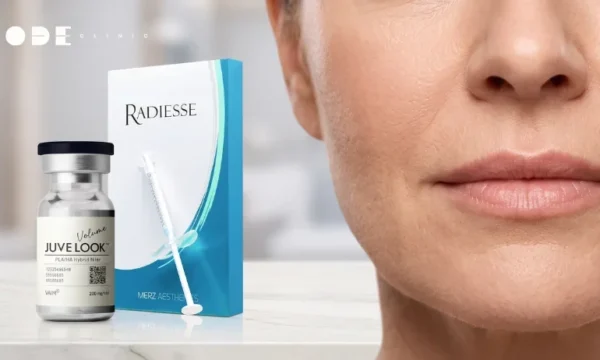
By Area
Case Review: Radiesse and Juvelook Volume for Perioral Wrinkles and Hollow Cheeks
As we enter our 40s, skin elasticity gradually decreases, and fine lines begin to appear more noticeably.At the same time, the deeper tissues beneath the skin lose support and start to sag downward due to gravity.This can create areas that need volume restoration, such as the under-eye area, midface, and hollow cheeks.Radiesse and Juvelook Volume are collagen-stimulating treatments that can help improve both elasticity and volume.However, their characteristics are slightly different.Radiesse is useful for improving perioral wrinkles and mild volume loss around the mouth,while Juvelook Volume is better suited for restoring volume in hollow cheeks.If you are looking for a clinic experienced in Radiesse and Juvelook Volume in Gangnam,ODE Clinic provides 1:1 consultation and customized treatment planning based on each patient’s facial structure and concerns.Today, I’ll explain why we planned a treatment using both Radiesse and Juvelook Volumefor a case involving perioral wrinkles and hollow cheeks, along with the actual results, limitations, and possible alternatives.Author: Dr. Dohoon Kim, Representative Director of ODE ClinicPreviewBefore and after Radiesse and Juvelook Volume treatmentsWhy We Chose Radiesse for Perioral WrinklesTo improve wrinkles and elasticity around the mouth, it is important to stimulate collagen production in the dermal layer.There are three main categories of treatments that can help with this.CategoryTreatmentsRadiofrequency, RFThermage, Density, etc.Allogeneic dermal skin booster, hADMRe2O, CellREDMCollagen stimulatorsRadiesse, etc.If the goal is to improve overall facial elasticity 👉 Radiofrequency or allogeneic dermal skin boostersIf the goal is to improve localized elasticity with a small amount of volume 👉 Collagen stimulatorsIn this patient’s case, we needed to improve elasticity around the mouth while also softly supporting the nasolabial fold area.For that reason, we chose Radiesse.Radiesse is a collagen stimulator based on CaHA, calcium hydroxylapatite.It physically stimulates fibroblasts and promotes collagen synthesis.One of its advantages is that it does not excessively trigger inflammation, which helps lower the risk of nodules and fibrosis.Another advantage is that the ratio between volumizing effect and elasticity improvement can be adjusted through the dilution ratio.ODE RadiesseWhy We Chose Juvelook Volume for Hollow CheeksTo restore volume in hollow cheeks, there are three main options.Dermal fillerHILO WAVEA dual HA-based product designed to reduce the side-effect burden associated with conventional fillersCollagen stimulatorsJuvelook Volume, Olidia, Sculptra, etc.If you want immediate results 👉 Dermal filler or HILO WAVEIf you prefer gradual but longer-lasting volume improvement 👉 Collagen stimulatorsIn this patient’s case, the hollow cheeks were relatively severe.When cheek hollowing is severe, starting with filler or HILO WAVE alone may require a larger amount of product. As the volume increases, the risk of foreign body sensation or side-effect burden may also increase.In these cases, it can be a good approach to first perform about three sessions of collagen stimulator treatment, monitor the progress over time, and then consider additional filler or HILO WAVE for any remaining hollowness.Additional Treatment SuggestionRecently, we often recommend HILO WAVE as an additional treatment for residual hollowness after collagen booster treatments.HILO WAVE is a treatment that uses a complex of high- and low-molecular-weight hyaluronic acid, or HA.It naturally restores volume while also improving hydration and skin elasticity.ODE HiloWaveBecause HILO WAVE combines low-molecular-weight and high-molecular-weight HA,it can provide immediate volume improvement while also supporting skin elasticity.In this case, if we combine 4cc of HILO WAVE with 1 syringe of Re2O,we can expect improvement not only in overall volume but also in skin quality.Why Choose ODE Clinic for Radiesse and Juvelook Volume?1. ODE Clinic Uses Different Radiesse Dilution Ratios Depending on the PurposeThe effect of Radiesse can vary depending on how it is diluted.When used at a 1:1 ratio, the volumizing effect becomes stronger.When diluted at a ratio of 1:2 or higher, the elasticity-improving effect becomes more prominent.At ODE Clinic, even when using a single syringe,we may dilute it into two different ratios depending on the medical team’s customized treatment plan.This allows us to apply Radiesse differently depending on the treatment area and purpose.2. Juvelook Volume Is Administered Strictly by the VialIf Juvelook Volume is administered by cc, it can be difficult to know the exact amount of active ingredient being injected.There is also a higher risk of infection if one vial is used multiple times.At ODE Clinic, we dilute one vial of Juvelook Volume into 8cc, use it on the same day, and discard any remaining amount.This is part of our principle for accurate dosing and safer treatment.3. ODE Clinic Has Extensive Experience with Both Radiesse and Juvelook VolumeFor years, ODE Clinic has focused on contouring, lifting, nasolabial fold correction, and hollow cheek treatments.Through many different cases, we have built experience in how to use Radiesse and Juvelook Volumeaccording to each patient’s facial structure, volume loss pattern, and skin condition.These treatments are not simply about injecting product.To achieve a natural and safe result, the doctor must consider skin thickness, depth of hollowing,degree of elasticity loss, and the direction of volume restoration.Based on this experience and know-how, ODE Clinic provides skilled and customized treatment for each patient.Radiesse and Juvelook Volume Frequently Asked QuestionsQ. Can I receive Radiesse and Juvelook Volume at the same time?A. Yes, it is possible.However, whether they should be performed on the same day, in different areas,or with a certain interval depends on the patient’s facial condition and treatment goals.Q. How long do the results last?A. Both treatments stimulate collagen production.There are individual differences, but once collagen is formed, it can generally last for about 2 to 3 years or longer.Q. What are the possible side effects?A. Both Radiesse and Juvelook Volume can potentially cause firm nodules if collagen overproliferates.To reduce this risk, it is important to follow the correct hydration protocol and use appropriate injection techniques.ConclusionEven when patients have similar concerns, such as perioral wrinkles or hollow cheeks,the ideal treatment plan can vary significantly.The patient’s needs, budget, desired timeline, sensitivity to side effects,and previous treatment history all influence the final plan.Radiesse can be useful for areas like perioral wrinkles, where elasticity improvement and subtle volume support are needed.Juvelook Volume can be a good option for restoring broader hollow areas such as the cheeks in a gradual and natural way.However, the result depends not only on the product itself,but also on how it is diluted, where it is injected, at what depth, and in which direction the volume is restored.If you are considering Radiesse or Juvelook Volume, I recommend visiting a clinicwhere you can consult directly with the medical team and receive a personalized plan based on your current facial condition.This has been Dr. Dohoon Kim, Representative Director of ODE Clinic.Gangnam Dermatology Clinic, ODE Clinic8th Floor, 340 Gangnam-daero, Gangnam-gu, Seoul, Korea+82–2–569–0222ODE Column : Perioral Wrinkles & Hollow CheeksAuthor: Dr. Dohoon Kim, Chief Director of ODE ClinicSpecialty: Anti-aging (Lifting, Volumizing, etc.)
2026.07.07
Others
Gangnam 1:1 Doctor Consultation Skin Clinic|Why ODE Clinic Values Direct Medical Consultation
Since opening near Gangnam Station Exit 4, ODE Clinic has consistently upheld one core value:in-depth 1:1 consultation conducted directly by the doctor.ODE Clinic is a dermatology clinic in Gangnam specializing in anti-aging treatments.Based on a personalized diagnosis that considers each patient’s skin condition, facial structure, and concerns,we recommend only the solutions that are truly necessary, such as Ultherapy, Thermage, Juvelook, and Re2O.When choosing a dermatology clinic, what do you consider most important?Some patients prioritize cost and promotional benefits, while others value deeper communication with the medical team.This article is for those who are deciding between large factory-style clinics that emphasize low pricesand clinics where the doctor personally examines, diagnoses, and communicates with each patient.Today, I’ll explain why direct consultation with a doctor is essential,and how ODE Clinic’s consultation process is different.Author: Dr. Dohoon Kim, Chief Dermatologist of ODE ClinicComparing Dermatology Clinic Types: Which One Is Right for You?ClassificationDoctor Consultation-Focused Clinic, ODE ClinicFactory-Style ClinicCost, priceRelatively higherMore affordableCustomized optionsTailored recommendations based on individual skin analysisDifficult due to standardized programsObjective before-and-after comparisonAvailable through systematic progress trackingDifficult due to high-volume systemsIf you want to improve safety and maximize results through a personalized treatment plan 👉 Doctorconsultation-focused clinicIf you want to focus mainly on cost-effectiveness and the procedure itself 👉 Factory-style clinicWhat to Watch Out for in Factory-Style Clinics Focused on Coordinator ConsultationsIf you have visited a large network dermatology clinic in Gangnam,you may have experienced speaking first with a staff member known as a consultation coordinator, rather than a doctor.Many patients are initially drawn in by low event prices, but during the consultation,they may be encouraged to purchase more expensive procedures than expected.In a factory-style system, the purpose of consultation can easily become more focused on sales and upselling than on medical evaluation.This can lead to the following concerns.1. It Can Be Difficult to Know Whether You Truly Need the TreatmentDermatology and aesthetic procedures vary widely.Even if two patients have the same concern, such as nasolabial folds or sagging, the underlying cause may be completely different.To determine which treatment is most suitable for a patient’s skin condition and facial structure,the treating doctor should personally examine the patient.Without a doctor’s diagnosis, it can be difficult to know whether the recommended procedure is truly necessary.2. You May Be Recommended Unnecessary Shot Counts or Excessive VolumeIn a sales-driven consultation environment, patients may be advised to receive more shots or higher volumes than they actually need.Recently, a patient to whom I recommended 300 shots of Ultherapy shared a story from a previous factory-style clinic.At that clinic, the coordinator told her:“Up to 300 shots is only the skin preheating stage. To see real lifting results, you need at least 600 shots.”Of course, delivering more accumulated energy can sometimes increase the effect.However, saying that treatments under 300 shots are ineffective is clearly exaggerated and medically inaccurate.Shot count should not be decided by a fixed sales script.It should be determined based on the patient’s facial condition, sagging pattern, and treatment area.3. Lack of Medical Knowledge Can Lead to Incorrect GuidanceOne of the most common examples is the oversimplified statement:“People with little facial fat should never get Ultherapy and must get Thermage instead.”It is true that if Ultherapy is incorrectly applied to areas prone to volume loss, cheek hollowing may worsen.However, that does not mean Thermage is a perfect substitute for Ultherapy.Thermage improves skin elasticity, firmness, and texture. It is closer to a tightening treatment.Ultherapy, on the other hand, is a lifting treatment that helps pull up sagging tissue and refine facial contours.In other words, the two treatments have different purposes.If a patient wants to improve their jawline or facial contour but is only recommended Thermagebecause they have little facial fat, the result may not meet their expectations.This is why I strongly recommend receiving a direct 1:1 diagnosis from an experienced doctor,rather than a consultation focused mainly on sales.ODE Clinic’s Unique 1:1 Communication ApproachAt ODE Clinic, our medical team does not simply rush to explain procedure names.We begin by listening carefully to what brought the patient in, which areas bother them the most,and what kind of result they are hoping for.Then, we identify the root cause of the concern and explain the treatment direction in a way that is easy to understand.For example, if a patient visits because of nasolabial folds, we do not immediately ask them to choose between filler and Juvelook Volume.First, we analyze why the nasolabial folds appear deep.Is it due to sagging in the anterior cheek area?Is it caused by structural volume loss around the base of the nose?Is it related to skin laxity, or a combination of multiple factors?Only after identifying the cause do we compare the most appropriate treatment options.An in-depth consultation like this takes at least 20 to 30 minutes per patient.This is a system that factory-style clinics, which rely on high volume, low margins,and fast turnover, cannot easily replicate.ODE Clinic’s Systematic Medical ProcessAt ODE Clinic, the process is structured as follows.Arrival and registrationObjective skin imaging using diagnostic devices such as Mark-Vu and EVEIn-depth 1:1 consultation and treatment design with the medical teamGuidance by the consultation coordinator, including pricing, pain management, side effects, and aftercare precautionsCustomized treatment performed by the dedicated medical staffSafe discharge and aftercare guidancePost-procedure progress tracking and comparative follow-up consultationHow Precise Consultation Changes the Final ResultThe reason we dedicate this much time to each patient is simple.We want to maximize satisfaction relative to the time, cost, and trust each patient invests.Whether a doctor is directly involved from the diagnosis stage can make a clear difference in the final outcome.This is also why ODE Clinic can carefully compare before-and-after photos and responsibly complete the final follow-up consultation.Of course, the post-procedure check is also conducted directly by the dedicated medical team that performed the treatment.Real Improvement Case StudyLet me share a case from a patient who visited our clinic.This patient originally came in because she had heard that “Juvelook Volume is good for nasolabial folds.”Her initial goal was to fill the sunken area.However, through an in-depth 1:1 examination,we found that the real reason her nasolabial folds appeared deep was not volume loss.The main cause was midface sagging.Instead of simply injecting filler or a volume booster,we planned treatment with XERF and point lifting to address the underlying cause.If she had gone to a typical factory-style clinic and received only Juvelook Volume as originally planned,she may not have achieved the smooth improvement she wanted and could have wasted both time and money.Meet Your Personal Skin DoctorI believe that the concept of a lifelong personal skin doctor is especially important in aesthetic medicine.Rather than choosing a clinic based only on trends or event prices,I recommend finding a doctor who understands your facial structure, aesthetic preferences, and long-term skin goals.Skin aging is not something that can be solved with a single treatment.The best results come from choosing the right treatment at the right time,without overdoing it, and managing the skin from a long-term perspective.At ODE Clinic, we will continue to uphold our principle of direct doctor consultation,personalized treatment design, and responsible follow-up care.This has been Dr. Dohoon Kim, Chief Dermatologist of ODE Clinic. Thank you.Gangnam Dermatology Clinic, ODE Clinic8th Floor, 340 Gangnam-daero, Gangnam-gu, Seoul, Korea+82–2–569–0222ODE Column : 1:1 Doctor Consultation Skin ClinicAuthor: Dr. Dohoon Kim, Chief Director of ODE ClinicSpecialty: Anti-aging (Lifting, Volumizing, etc.)
2026.07.07
Lifting
The Ultimate Guide to XERF Treatment in 2026, ODE Clinic
XERF Lifting: A Complete Guide to One of the Leading Global Anti-Aging Treatments in 2026Recently, more patients have been looking for lifting treatments to improve visible signs of sagging,such as nasolabial folds, a loose jawline, jowls, bulldog cheeks, and a double chin.Among the many lifting options available today, XERF has become one of the most talked-about treatments in 2026.XERF delivers an innovative dual frequency of 6.78MHz and 2MHz,allowing it to target deeper layers while maintaining a comfortable treatment experience.Source: XERF Official WebsiteOne of the biggest reasons XERF is widely loved is that it can deliver energy deep into the skin,similar to Ultherapy, while causing almost no burden in terms of pain or downtime.However, some patients who received XERF at other clinics say that the effect was not as strong as they expected.In many cases, this is not because of the device itself.The difference often comes from treatment technique, treatment mode, energy level,and the physician’s understanding of the device.Today, based on our clinical experience at ODE Clinic,I’ll explain the proper approach to achieving satisfying XERF lifting results.Written by Dr. Dohoon Kim, Representative Director of ODE ClinicODE Clinic’s XERF Treatment Know-How: Going Beyond the Standard MethodWhen XERF was first introduced, the standard guideline was to alternate between three modes depending on skin thickness:ShallowMiddleDeepAt that time, many clinics also started treatment around energy level 5.However, after studying and treating numerous clinical cases, ODE Clinic has developed a different approach.The latest treatment principles, which have also gained theoretical support through recent academic discussions, are as follows.1. Why We Use DEEP Mode Across the Entire Treatment AreaThe 6.78MHz frequency, which is commonly used in conventional monopolar radiofrequency devices,mainly delivers energy through the fibrous septa.In contrast, the 2MHz frequency has the characteristic of spreading energynot only through fibrous tissue but also into the subcutaneous fat layer.Source: Computational modeling and histologic analysis of 6.78- and 2-MHz monopolar radiofrequency-induced thermal reactionsThis is why, for areas where fat tissue has sagged downward, such as the nasolabial folds, jowls,and double chin, using 6.78MHz and 2MHz together can maximize the lifting effect more effectively than using 6.78MHz alone.The key technology of XERF, the synergy between 6.78MHz + 2MHz, is activated only in DEEP mode.If the treatment is performed only with Shallow or Middle mode,it becomes difficult to create a clear difference from conventional single-frequency RF devicessuch as Thermage, Oligio, or Volnewmer in terms of energy delivery depth.In addition, because a larger total amount of energy is delivered in DEEP mode,collagen contraction in the dermal layer can also be greater than with Shallow or Middle modes.Source: Safety and efficacy of a novel non-invasive monopolar radiofrequency device for skin tightening in a porcine model in Republic of Korea: pre-clinical studyIn the referenced medical data, the collagen bundles appear thickest after DEEP mode treatment.Collagen bundles become thicker when they contract.For this reason, even though it takes more time, treating the entire area with DEEP mode only is the most ideal approach.When performing 600 shots of XERF using only DEEP mode, the procedure usually takes about 45 to 50 minutes.Dr. Dohoon Kim’s Treatment TipFor areas with a thin fat layer and a relatively low energy absorption capacity, such as the forehead, under-eye area, and jawline, energy should not be concentrated too aggressively in one point.In these areas, I combine a sliding technique so that the energy spreads smoothly and evenly while still covering the area thoroughly.2. High-End Technique Using Energy Levels 8 to 10Patient satisfaction with lifting treatments is closely related to the total amount of accumulated energy,measured in joules, delivered into the skin.In the early stages of XERF treatment, many clinics used a conservative approach with energy around level 5.However, the current trend is to increase the output to level 8 to 10,allowing stronger thermal energy to be delivered more effectively.Based on 600 shots, approximately 70,000 to 100,000 joules of energy can be delivered,helping create a more noticeable lifting effect.Some patients ask, “Wouldn’t that be too painful if the energy is that strong?”Surprisingly, many patients tolerate XERF very well because the device has a powerful built-in cooling system.As a result, significant pain is much less common than many people expect.Why Factory-Style Clinics Often Avoid DEEP ModeIf DEEP mode can be this effective, why do some clinics avoid using it consistently?There are two main reasons.First, in factory-style clinics that prioritize completing a high number of shots quickly for many patients within a fixed time,there may be less focus on academic updates, device-specific knowledge, or detailed treatment strategy.Second, when DEEP mode is used exclusively,the treatment time becomes more than 1.5 times longer compared with mixing regular modes.In a clinic environment where low prices and fast patient turnover are prioritized,it is difficult to apply this slower and more meticulous method.At ODE Clinic, we do not compromise on each shot.Our treatment philosophy is to deliver the necessary energy deeply and precisely into the patient’s skin,with enough time and attention to create meaningful results.Clinical Case Review: XERF DEEP Mode TreatmentFirst photo: Before treatment, April 11, 2025Second photo: After XERF 300 shots, September 1, 2025Which Lifting Treatment Is Right for Me? XERF vs. Alltite vs. UltherapyHere is a comparison of three representative devices used to improve facial sagging.AlltiteAlltite uses a rubbing technique to deliver gentle heat to the fibrous septa and stimulate collagen response.It is cost-effective and has almost no pain or downtime.UltherapyUltherapy uses High-Intensity Focused Ultrasound, or HIFU, to powerfully lift and tighten the jawline.It has strong lifting power, but some pain and swelling may occur. Downtime can last around 1 to 2 weeks.ODE UltherapyXERFXERF is performed with a meticulous stamping method, which allows for delicate and customized treatment design.It can provide an immediate visible lifting effect while causing almost no pain or disruption to daily life.ODE XerfODE Clinic’s Recommendation GuideIf your top priority is a sharper and more powerful jawline improvement 👉 UltherapyIf you want comfortable, pain-free full-face lifting 👉 XERF or AlltiteIf budget is not a concern and you want the strongest same-day synergy 👉 XERF + Ultherapy combination treatmentXERF Lifting Frequently Asked QuestionsQ. When will I start noticing the results?A. You may feel an immediate lifting effect right after the procedure due to heat-induced collagen contraction.From about two weeks after treatment, new collagen begins to form within the skin. At this stage, improvements in skin texture and elasticity can often be seen through diagnostic imaging as well.Q. Is there a recommended number of shots by age?A. The recommended number of shots depends on the degree of sagging and the treatment goal.For patients in their 20s who want to maintain elasticity, 300 shots can produce good results.For patients in their 50s and older, where aging and sagging are more advanced, I usually recommend at least 600 shots.The exact number of shots should be decided after consultation with an experienced medical team.Q. How long do the results last?A. The duration can vary depending on lifestyle habits and individual skin condition.In general, to maintain healthy skin elasticity, I recommend repeating the treatment every 6 months to 1 year.Q. Where is the best place for XERF in Gangnam?A. ODE Clinic is experienced in XERF treatment, and our medical team provides direct 1:1 consultations before designing each treatment plan.The Difference in Results Comes from the Practitioner’s DetailNo matter how advanced a premium device may be,the final anti-aging result depends greatly on who performs the treatment and how it is performed.ODE Clinic does not follow a factory-style, one-size-fits-all approach.From objective pre-treatment analysis using skin diagnostic devices to 1:1 customized design and post-treatment follow-up comparison,our designated medical staff takes responsibility for each step of the process.Based on a deep understanding of XERF and numerous clinical cases,ODE Clinic designs lifting treatments according to each patient’s facial structure, sagging direction, and treatment goals.If you are considering XERF lifting, I recommend looking beyond the device name alone.The more important question is whether the practitioner truly understands the device and applies it with enough precision and detail.This has been Dr. Dohoon Kim, Representative Director of ODE Clinic.Gangnam Dermatology Clinic, ODE Clinic8th Floor, 340 Gangnam-daero, Gangnam-gu, Seoul, Korea+82–2–569–0222ODE Column : DEEP Mode XerfAuthor: Dr. Dohoon Kim, Chief Director of ODE ClinicSpecialty: Anti-aging (Lifting, Volumizing, etc.)
2026.07.07
Lifting
Thermage Tightening vs. Lifting: Benefits and First-Timer Guide
Are you considering Thermage as your first anti-aging treatment?Many people think of Thermage as a “lifting” treatment, but its main benefit is not pulling up sagging tissue.The core effect of Thermage is tightening — improving skin firmness, density, and elasticity.In this article, Dr. Dohoon Kim from ODE Clinic in Gangnam explains what Thermage actually does,how it differs from lifting treatments such as Ultherapy, and which skin types may benefit from it the most.The Difference Between Lifting and TighteningDermatology clinics use many different devices, and each device works through a different mechanism.Depending on the energy type, target layer, and treatment principle, the effect on the tissue can be very different. Many patients group all of these treatments under the word “lifting,”but strictly speaking, lifting and tightening are not the same.LiftingLifting treatments deliver energy to the fibrous septae, subcutaneous fat layer, and SMAS layer to induce tissue contraction and directly improve sagging areas.A representative example is Ultherapy.TighteningTightening treatments mainly deliver energy to the dermal layer to induce collagen contraction and remodeling. The goal is to make the skin firmer, denser, and more elastic.A representative example is Thermage.[Before & After: Nasolabial Folds Lifting][Before & After: Tightening, with sagging remaining largely the same]For example, if nasolabial folds are caused by midface volume drooping downward due to gravity,improving that problem is closer to lifting.On the other hand, if fine lines around the mouth are caused by reduced skin elasticity,softening those lines is closer to tightening.Most people do not need only lifting or only tightening.In many cases, both are needed.However, the priority can differ depending on facial structure, skin quality, and the degree of sagging.NoteThe idea that “people with little facial fat should get Thermage instead of Ultherapy” is not accurate.The need for Ultherapy and the need for Thermage are independent. Treatment should not be decided simply based on whether the face has a lot of fat or not. It should be determined by evaluating sagging direction, skin elasticity, fat layer thickness, and overall facial structure.Mechanism and Benefits of ThermageThermage is one of the most well-known radiofrequency, or RF, treatments.More specifically, it uses monopolar RF, which allows energy to penetrate deeply into the lower dermal layers.When RF energy raises the temperature throughout the dermis, existing collagen bundles contract.Over time, new and stronger collagen is also produced.As a result, the skin becomes firmer, smoother, and more elastic.This is what we call the tightening effect of Thermage.Real Changes After Thermage Treatment[Before Thermage: Female in her 50s][After Thermage: Female in her 50s]Based on my clinical experience, patients typically notice changes in the following timeline.Before treatmentThe skin feels weak, loose, and less elastic. Fine wrinkles are often more visible.Immediately after treatmentDue to immediate collagen contraction, many patients feel that their skin is smoother when washing their face.Up to 6 months after treatmentThis is when the effect becomes more noticeable. As collagen builds from within the skin, fine lines gradually soften, and the skin feels firmer and more resilient.Who Is Thermage Recommended For?Thermage may be a good option for:Patients who prefer natural rejuvenation rather than dramatic changePatients with thin skin and increasing fine wrinklesPatients who want to prevent long-term saggingPatients who want a treatment with a long clinical track recordThermage vs. DensityFor patients who find Thermage expensive, Density can be another option.Like Thermage, Density uses a 6.78MHz frequency to deliver thermal energy effectively into the dermal layer. However, it is generally available at a more affordable price point.Recently, the Alpha Tip was introduced, allowing energy to be delivered more thoroughly to the upper dermis as well.FeatureThermageDensityFrequency6.78MHz6.78MHzPriceHighRelatively affordableTrack recordLong-standing, well-proven resultsRecently releasedRF typeMonopolarMonopolar + bipolarPain level+++++These differences should be considered when choosing the treatment that best fits your skin condition, goals, budget, and pain tolerance.ODE DensityThermage vs. XERFRecently, many patients have also asked whether XERF can replace Thermage.However, XERF and Thermage have different primary purposes.Thermage is based on a 6.78MHz frequency and focuses mainly on tightening.XERF uses dual frequencies of 6.78MHz and 2MHz, allowing it to focus more on lifting.It can be used to improve sagging areas such as the eyelids, midface, jowls, and jawline.A simple way to understand the difference is:Thermage: Tightening effect 100XERF: Lifting effect 70 + tightening effect 30If your main goal is to improve skin firmness and fine wrinkles, Thermage may be more suitable.If you want to address sagging more directly while still getting some tightening effect, XERF may be a better option.ODE XerfGuide to Choosing the Right Clinic for ThermageEven with the same Thermage device, results can vary depending on the clinic, the doctor, and the treatment approach.Here are the key points to check when choosing a clinic.1. Does the Treating Doctor Provide a 1:1 Consultation?There is a major difference between consulting with clinic staff and consulting directly with the doctor who will perform the procedure.The treating doctor should evaluate your skin condition face-to-face and design the treatment plan personally. Only then can you determine whether Thermage is truly the right treatment for your face,or whether another option may be more appropriate.At ODE Clinic, the treating physician personally conducts 1:1 consultations.2. Does the Clinic Offer a Wide Range of Premium Devices?A clinic with multiple devices can offer more customized options.For example, a patient in their 20s may not necessarily need Thermage.In that case, there may be a more affordable treatment that still provides enough benefit.ODE Clinic is equipped with various premium lifting and tightening devices,including Ultherapy, Thermage, Density, XERF, ONDA, EMFACE, and Shurink.3. Does the Clinic Have Enough Experience?Even with the same Thermage treatment, results can vary depending on the doctor’s experience.If the energy is delivered too strongly, pain and side-effect risks may increase.If it is delivered too weakly, the result may be minimal.This is why it is important to choose a doctor who not only has extensive procedural experience,but also has experience following up with patients after treatment and evaluating real outcomes over time.ODE Clinic has focused on lifting and anti-aging treatments in Gangnam for years.Thermage Frequently Asked QuestionsQ. How many shots of Thermage are recommended?A. It depends on age and skin condition.In general, 600 shots are often enough for patients up to their 40s.For patients in their 50s and above, 900 shots may be considered.Q. How often should Thermage be done?A. In general, Thermage is recommended about once a year.The ideal interval may vary depending on skin condition, aging speed, and treatment goals.Q. How painful is Thermage?A. Thermage can be quite painful.For this reason, I recommend applying a thick layer of topical numbing cream and allowing enough time for anesthesia to take effect.If you are very sensitive to pain, alternatives such as Density or XERF may also be considered.Closing ThoughtsThermage is not a treatment that directly pulls up sagging tissue.It is better understood as a tightening treatment that improves skin density, firmness, and fine wrinkles.When considering Thermage, it is more accurate to ask,"How much firmer and smoother will my skin become?” rather than “How much will my face lift?”Lifting and tightening are different concepts, but in facial aging, many patients need both.The key is to identify whether your face currently needs lifting, tightening, or a combination of both.At ODE Clinic, the treating physician provides direct 1:1 consultation to evaluate skin elasticity,sagging direction, fat layer thickness, and facial structure.Based on this assessment,we recommend the most suitable option among Thermage, Ultherapy, Density, XERF, and other lifting devices.This has been Dr. Dohoon Kim from ODE Clinic.Thank you. Gangnam Dermatology Clinic, ODE Clinic8th Floor, 340 Gangnam-daero, Gangnam-gu, Seoul, Korea+82–2–569–0222ODE Column : ThermageAuthor: Dr. Dohoon Kim, Chief Director of ODE ClinicSpecialty: Anti-aging (Lifting, Volumizing, etc.)
2026.07.07
Lifting
Hilo Wave for Hollow Cheeks: Why Juvelook Volume May Not Be Enough
Juvelook Volume is a collagen-stimulating treatment that helps restore volume in hollow areas by encouraging collagen production.However, in some cases, even after three sessions of Juvelook Volume,the side cheek hollowness may not improve as much as expected.For these stubborn hollow cheeks, Hilo Wave can be an effective alternative.In this article, Dr. Dohoon Kim of ODE Clinic explains why Hilo Wave can work well for hollow cheeksthat do not respond sufficiently to collagen boosters, with a real patient case review.If you are looking for a clinic experienced in Hilo Wave treatment in Gangnam,ODE Clinic provides 1:1 consultation and customized volume treatment based on each patient’s facial structure.ODE HILOWAVEWhat Are Hollow Cheeks?Hollow cheeks refer to the sunken area below the cheekbones when viewed from the front.There are several reasons why this area may become hollow, including natural aging,frequent jaw Botox treatments, facial contouring surgery, and orthodontic treatment.When this sunken area is properly restored, prominent cheekbones can appear softer,and sagging may also look less noticeable.As a result, the overall facial contour can look smoother and more balanced.Why Juvelook Volume May Not Have WorkedJuvelook Volume is designed to stimulate collagen production and restore volume in sunken areas of the face.At ODE Clinic, I have performed more than 5,000 vials of Juvelook Volume over the past three years,while closely comparing before-and-after results and clinical progress.Source: https://www.vegannews.co.kr/news/article.html?no=321307Most patients are satisfied with their results.However, a small number of patients feel that the improvement in their hollow side cheeks was limited.There are several reasons for this.1. Collagen Takes Time to BuildCollagen does not form immediately.In many cases, it takes several months for collagen to regenerate and create visible volume.If not enough time has passed after the procedure, it is natural that the final result may not yet be visible.2. The Final Volume Is Difficult to PredictWith collagen-stimulating treatments, it is difficult to predict exactly how much collagen will be produced.From a safety perspective, it is better to generate slightly less collagen than too much.If excessive collagen forms in one area, it may lead to firm nodules.For this reason, most collagen boosters, including Juvelook Volume,are designed and injected to create subtle, gradual volume rather than aggressive volume.This is one of the reasons Juvelook Volume is often described as more natural than traditional fillers.3. The Side Cheeks Contain a Lot of Fibrous TissueThe side cheek area contains many fibrous structures, including retaining ligaments.Filling this area is different from filling an empty space.In fibrotic or tightly bound tissue, a certain degree of physical pressure is needed to expand and restore the depressed area.The natural volume created by collagen regeneration from Juvelook Volumemay not always be strong enough to push out and fill these tight fibrous areas.This is why some side cheek hollows remain even after multiple collagen booster sessions.How Hilo Wave Improves Hollow CheeksWhat Is Hilo Wave?Hilo Wave is a treatment that uses a complex of high- and low-molecular-weight hyaluronic acid, or HA.It helps improve volume in sunken areas while also supporting hydration and stimulating collagen production.Like traditional fillers, Hilo Wave is based on hyaluronic acid.However, it contains only a minimal amount of cross-linking agents.Because of this, it has a lower risk of side effects such as foreign body sensation or vascular occlusion,making it a safer option for many patients.However, because Hilo Wave has lower elasticity,it is not ideal for areas where a defined shape needs to be sculpted, such as the forehead or nose.Instead, it is more suitable for softly filling broad, shallow hollow areas such as the side cheeks.Note: Who Is Hilo Wave Recommended For?Hilo Wave may be a good option for:Patients who want a safer volume treatment with a lower burden of side effectsPatients who prefer a product that breaks down relatively quickly in the body, even if the duration is shorterPatients who were not fully satisfied with collagen stimulators such as Juvelook VolumeTreatment ComparisonTreatmentKey CharacteristicsHilo WaveImmediate improvement / Can be dissolved / Shorter duration, around 6 months / Very low side effect burdenDermal fillerImmediate improvement / Can be dissolved / Average duration, around 1 year / Possible vascular occlusion and foreign body sensationJuvelook VolumeGradual volume buildup / Final volume is less predictable / Long duration, 2+ years / Possible nodule formationFor patients who want immediate and clearly visible improvement, Hilo Wave or dermal filler may be recommended.For patients who prefer gradual, natural, and longer-lasting improvement, Juvelook Volume may be a better option.Real Hollow Cheek Treatment Review: Case Study[Before Treatment][December 30, 2024]The patient above is a woman in her 40s who visited ODE Clinic for hollow side cheeks.May 17, 2024: 1st Juvelook Volume sessionJune 14, 2024: 2nd Juvelook Volume sessionJuly 19, 2024: 3rd Juvelook Volume sessionAfter three sessions of Juvelook Volume, the sunken cheek area improved significantly overall.However, when looking at the side profile, a narrow sunken area still remained.This long, narrow type of hollowing is a typical pattern that often does not fill wellwith collagen stimulation alone because of the surrounding fibrous tissue.In cases like this, a treatment that directly fills the space with hyaluronic acid,such as Hilo Wave or dermal filler, may be necessary.Dr. Kim, Which Is Better for This Area: Filler or Hilo Wave?In this type of case, I personally prefer Hilo Wave.When filling an area with dense fibrous tissue, patients may sometimes feel a foreign body sensation after treatment.Compared with traditional filler, Hilo Wave tends to integrate more softly into the tissue,making that unwanted foreign body sensation less likely.For this reason, I often recommend Hilo Wave for broad, fibrous hollow areas such as the side cheeks.Hilo Wave FAQsQ. How much Hilo Wave is needed for hollow cheeks?A. It depends on the severity and shape of the hollowing, but in most cases, 2cc is sufficient.Q. Where is the best clinic for Hilo Wave in Gangnam?A. ODE Clinic. We have extensive experience with volume treatments, and the treating physician personally provides 1:1 consultation before planning the procedure.Q. What are the possible side effects of Hilo Wave?A. Temporary swelling, bruising, or infection may occur.However, the risk of vascular occlusion,which is one of the more serious concerns with traditional fillers, is extremely low.Q. What should I avoid after Hilo Wave treatment?A. For about one week after the procedure, it is recommended to avoid saunas, strenuous exercise, and alcohol.Closing ThoughtsHollow side cheeks may look like a simple empty space, but in reality, this area often contains dense fibrous tissue and retaining ligaments.Because of this, collagen boosters alone may not always provide enough volume.Juvelook Volume is a good treatment, but it builds volume gradually and the final amount of collagen production can be difficult to predict.Hilo Wave, on the other hand, can directly restore volume in the needed areawhile offering a softer feel and a lower side effect burden compared with traditional fillers.The most important step is not choosing a treatment based only on its name,but understanding the shape of the hollowing, the tissue condition, and previous treatment history.At ODE Clinic, the treating physician provides a direct 1:1 consultation to evaluate the cause of hollow cheeksand recommend a customized treatment plan.This has been Dr. Dohoon Kim from ODE Clinic.Gangnam Dermatology Clinic, ODE Clinic8th Floor, 340 Gangnam-daero, Gangnam-gu, Seoul, Korea+82–2–569–0222ODE Column : Hilo WaveAuthor: Dr. Dohoon Kim, Chief Director of ODE ClinicSpecialty: Anti-aging (Lifting, Volumizing, etc.)
2026.07.02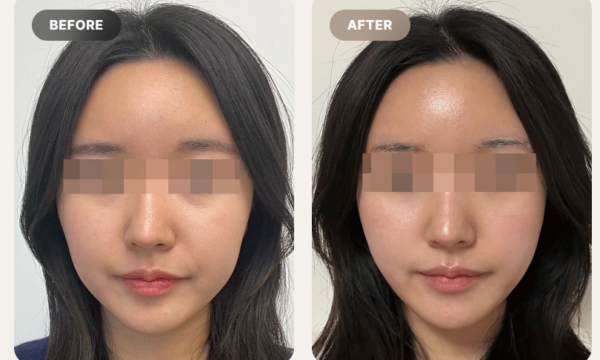
Lifting
Ultherapy Cost & Price in Seoul, Korea: Complete Guide and Why Prices Vary
Based on the Gangnam area,the average cost of Ultherapy is around 300,000 to 400,000 KRW per 100 shots, excluding VAT.In most cases, 300 to 600 shots are recommended per session.When patients receive 300 or 600 shots, clinics often apply a slight package discount.Ultherapy is a facial lifting treatment that uses High-Intensity Focused Ultrasound, or HIFU, to improve sagging. If you are looking for Ultherapy in Gangnam,ODE Clinic provides direct doctor consultation and customized treatment design.Today, I’ll explain why Ultherapy prices can vary from clinic to clinic.ODE UltherapyWritten by Dr. Dohoon Kim, Chief Director of ODE ClinicWhat Is Ultherapy Lifting?Ultherapy is a lifting treatment that concentrates ultrasound energy into a precise point beneath the skin.This creates thermal coagulation points, which then induce tissue contraction.One of Ultherapy’s key advantages is its FDA-approved DEEPSEE technology,which allows the physician to visualize deeper tissue layers during the procedure.Source: MerzUltherapy is commonly used to improve sagging across the entire face, especially the lower face.In general, one session usually requires around 300 to 600 shots.Average Ultherapy Price in SeoulThe average cost of Ultherapy is approximately 300,000 to 400,000 KRW per 100 shots.For the commonly recommended 300-shot treatment, a slight discount is often applied,bringing the cost to around 1,000,000 KRW, excluding VAT.Number of ShotsPriceUltherapy 100 shots400,000 KRWUltherapy 300 shots1,200,000 KRWUltherapy 600 shots2,400,000 KRWWhy Ultherapy Prices Vary by Clinic1. Regional DifferencesThe cost of most aesthetic procedures is influenced by the region.In areas where competition is high, prices tend to become more competitive overall.Many people assume that cosmetic treatments in Gangnam are more expensive, but in many cases,Gangnam can actually be more affordable than other regions.This is because Gangnam has one of the most competitive aesthetic markets in Korea.2. Differences in Clinic SystemsAesthetic dermatology clinics in Korea are currently highly polarized.Some clinics operate as premium dermatology centers with detailed consultation, imaging, design, and follow-up systems.Others operate as low-cost, high-volume, factory-style network clinics.Even for the same Ultherapy treatment, the process can be completely different depending on the clinic.Clinic A, Premium ClinicClinic B, Factory-Style Network ClinicVisitVisitSkin diagnostic imagingPayment1:1 consultation with the doctorAnesthesiaConsultation with the managerProcedurePaymentReturn homeAnesthesiaDesignProcedureReturn homeFollow-up appointmentBecause the overall system and treatment process are different,the price of the same 100 shots of Ultherapy inevitably varies.3. Other FactorsIn addition to region and clinic system, Ultherapy prices can also vary depending on factorssuch as clinic interior, whether the physician is a board-certified dermatologist,the director’s experience, device management, and follow-up care.How to Choose an Ultherapy ClinicYou do not need to choose an extremely expensive clinic without a clear reason.However, choosing a clinic only because the price is low is also not recommended.Low-cost factory-style clinics may have the following disadvantages when it comes to Ultherapy.1. No Pre-Procedure Doctor ConsultationIf the consultation process is skipped, important details can easily be missed.For example, an experienced physician should personally evaluate whetherUltherapy is truly the right procedure for your face, or whether another treatment may be more suitable.Ultherapy is not a treatment where the doctor simply delivers a fixed number of shots.The physician must evaluate the direction of sagging, facial volume, and areas that should be avoided before deciding the treatment plan.2. The Design Process Is Often SkippedOne of the most well-known side effects of Ultherapy is cheek hollowing.To prevent cheek hollowing and to perform a precise treatment that considers facial asymmetry,a face-to-face design process with the treating doctor is essential.In many factory-style clinics, this design step is skipped.The doctor may see your face for the first time only after you are already lying down.The problem is that when you are lying down, the effects of gravity are reduced.This makes hollow or sagging areas less visible, which can increase the risk of worsening cheek hollowing.NOTEODE Clinic has been performing anti-aging treatments, including Ultherapy, since 2022.As of 2026, we have more than 6,000 returning patients. For most of our patients, we also perform skin diagnostic imaging using devices such as Mark-Vu and EVE, allowing us to objectively evaluate treatment results.Based on my years of experience performing Ultherapy, the risk of side effects was significantly lower when a proper design process was performed before treatment.3. Uncertainty About Who Performs the ProcedureIn factory-style clinics, the procedure is often performed by whichever associate doctor is available at the time.The downside of this system is that a doctor with limited Ultherapy experience may perform your treatment.Another issue is continuity.If a different doctor performs the procedure each time you visit,it becomes difficult to manage your progress consistently or compare results over time.4. Difficulty Comparing Post-Procedure ResultsIf the clinic does not take diagnostic photos or use skin imaging devices,it becomes difficult to objectively compare before-and-after results.Ultherapy is a treatment where results develop gradually over time,so proper imaging and follow-up comparison are important.For this reason, even if the price is slightly higher, I recommend choosing a clinic like ODE Clinic,where the treating doctor personally provides 1:1 consultation, performs the design process,and compares before-and-after results.Final ThoughtsUltherapy pricing is not determined by shot count alone.Region, clinic system, consultation process, treatment design, physician experience,and follow-up care can all influence the cost and value of the treatment.A cheaper clinic is not always a bad choice.However, Ultherapy is a lifting treatment that requires careful evaluation of facial structure and sagging direction. Therefore, instead of comparing prices only, it is important to checkwhether the clinic provides direct doctor consultation, proper design, and objective before-and-after comparison.At ODE Clinic, the treating physician provides direct 1:1 consultation and treatment design,and we use diagnostic imaging to compare results objectively before and after treatment.This has been Dr. Dohoon Kim, Chief Director of ODE Clinic.Gangnam Dermatology Clinic, ODE Clinic8th Floor, 340 Gangnam-daero, Gangnam-gu, Seoul, Korea+82–2–569–0222ODE Column : Ultherapy CostAuthor: Dr. Dohoon Kim, Chief Director of ODE ClinicSpecialty: Anti-aging (Lifting, Volumizing, etc.)
2026.07.02


Blog

Youtube

